In the old paradigm of leadership, we focused on "Soft Skills." In the new paradigm, we focus on Biological Competencies.
At The Embodied Leadership Library, we have noticed that the most common point of failure for high-level executives isn't a lack of data or strategy—it’s a lack of neural regulation. When the market shifts or a board meeting turns tense, your prefrontal cortex (the seat of logic) can be effectively "hijacked" by your amygdala (the seat of survival).
We call this the Access Gap. It is the moment you lose access to your brilliance because your biology has prioritized staying alive over staying creative.
To lead effectively in a high-velocity world, you must understand the "wetware" you are operating. These seven books provide the neurobiological roadmap to move from reactive management to regulated authority.
1. Behave: The Biology of Humans at Our Best and Worst — Robert Sapolsky
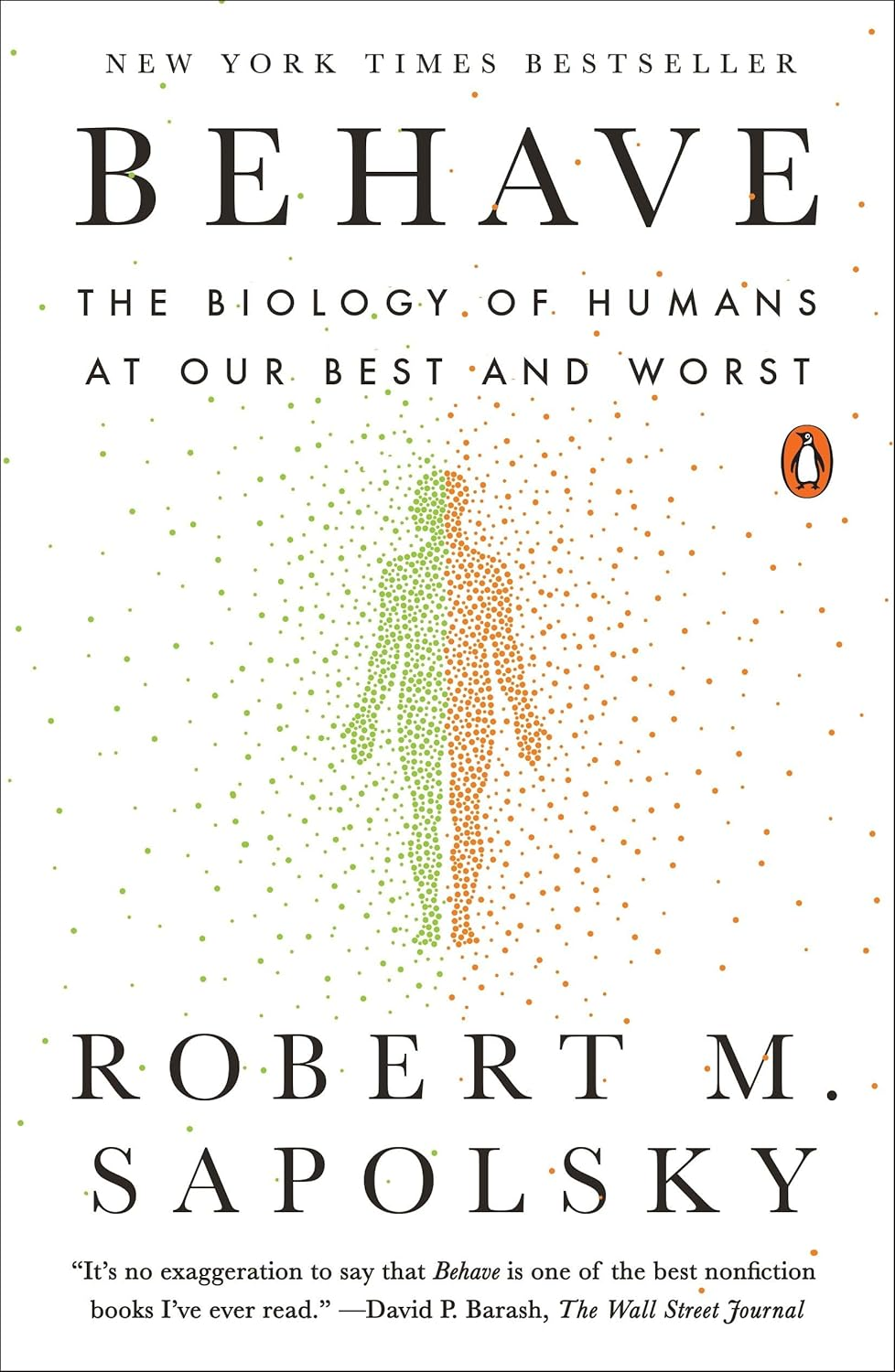
This book changes how you understand human behavior by stripping away the myth of "pure willpower." Sapolsky, a neuroendocrinologist, maps out why we act the way we do—from the neurobiology of a second ago to the hormones of last week and the evolution of a millennium ago.
We consider this the "Owner’s Manual" for the human executive. It explains the Neuro-Endocrine Hijack in real-time. If you’ve ever wondered why your team becomes tribal and defensive under stress, or why your own empathy seems to vanish when you’re tired, Sapolsky provides the hard science. It is a dense read, but it provides the biological evidence for why regulation is a prerequisite for ethics.
Who it is for: Analytical leaders who want to understand the raw mechanics of human performance and tribal dynamics.
The Somatic Bridge: It maps the direct line between high cortisol levels and the erosion of the "prefrontal brake" on impulsive behavior.
2. Conscio Under Pressure — Fristy Sato
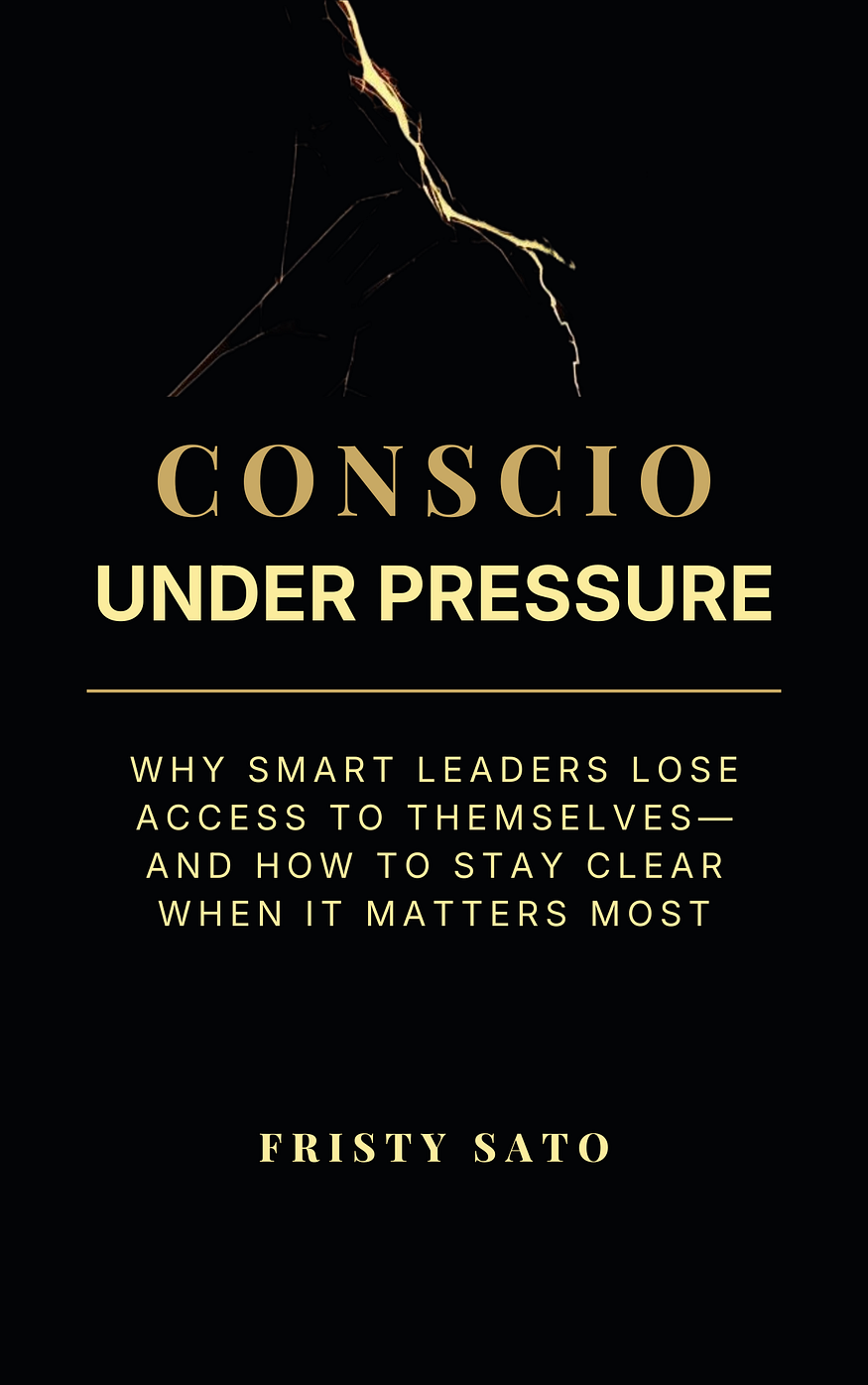
While Sapolsky provides the theory, Sato provides the executive application. This book is essential because it identifies Survival Cognition—the specific neural state where the brain narrows its focus to immediate threats, killing long-term vision.
We often see founders who are brilliant in a vacuum but reactive in a crisis. This book explains that this isn't a character flaw; it's a "biological sponge effect." It teaches you how to recognize the physical signs of a neural hijack before you send that reactive email or make that impulsive pivot. It is the practical "software update" for the executive brain.
Who it is for: High-stakes leaders who need to stay "Ventral" (clear and connected) when the "voltage" of their environment increases.
Identity Trigger: "I want to be the leader who maintains peak cognitive access while others are collapsing into survival mode."
3. The Pocket Guide to the Polyvagal Theory — Stephen Porges

Leadership is a "biological broadcast." Dr. Porges’ work reveals that our autonomic nervous system is constantly scanning others for cues of safety or danger—a process called Neuroception.
As a leader, your nervous system is either inviting your team into a state of "Social Engagement" or triggering their "Defense" systems. This book reveals that "company culture" is actually just the collective state of your team’s nervous systems. Understanding this allows you to move from "managing people" to "regulating the environment."
Who it is for: Leaders who want to understand the invisible biological "vibe" that dictates team innovation and trust.
The Somatic Bridge: It defines the three states (Ventral, Sympathetic, Dorsal) that govern every human interaction in your office.
4. Thinking, Fast and Slow — Daniel Kahneman
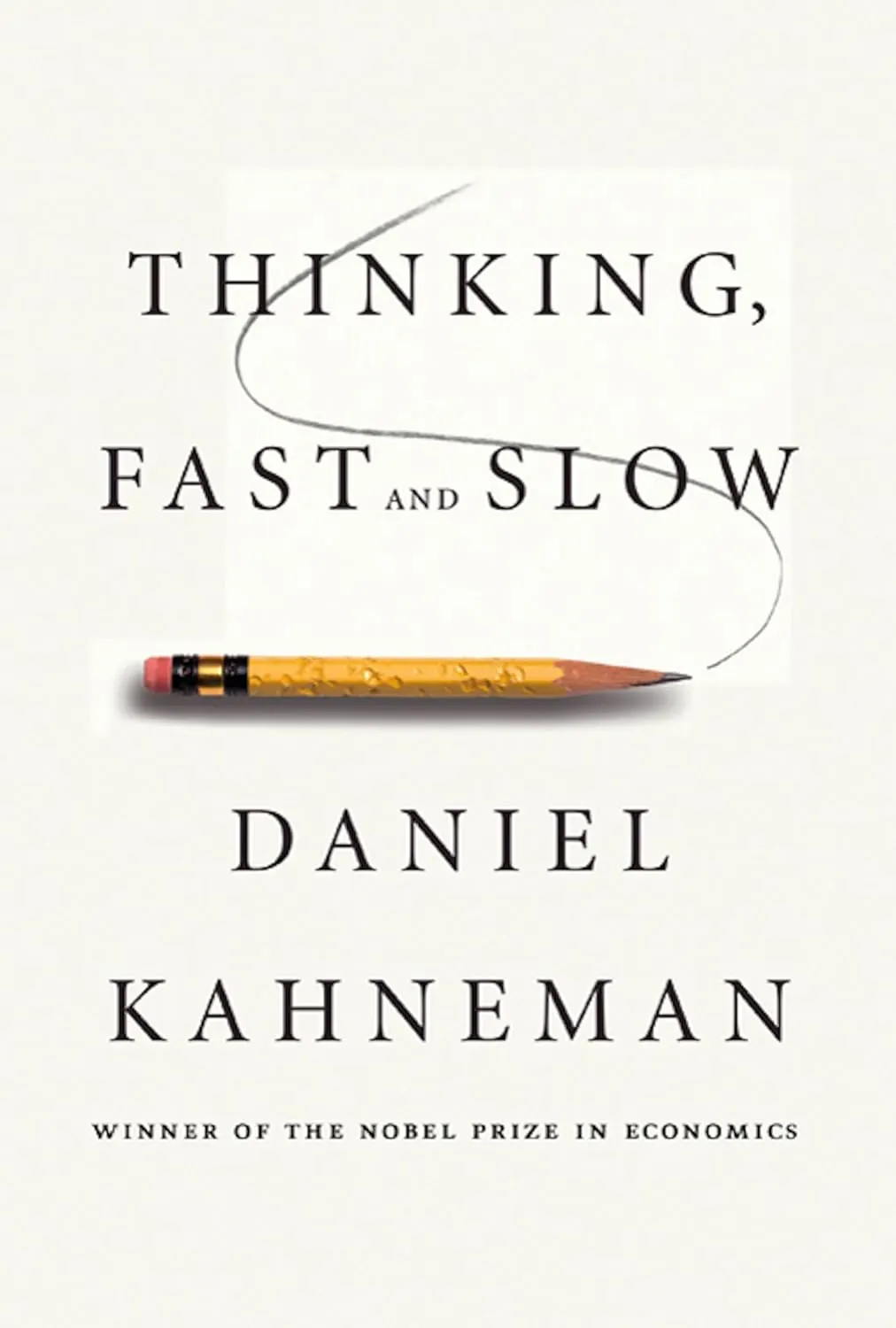
This is the classic text on the two systems that drive the way we think. "System 1" is fast, instinctive, and emotional; "System 2" is slower, more deliberative, and logical.
From a leadership neuroscience perspective, System 1 is heavily influenced by your current state of regulation. If you are dysregulated, your "fast" thinking will be riddled with cognitive biases. We pair this with Conscio Under Pressure to show that "System 1" is often just Survival Cognition in disguise. This book is vital for understanding how to "slow down" your biology so your highest intelligence can take the lead.
Who it is for: Decision-makers who want to de-bias their leadership and understand the cognitive cost of pressure.
Transformation: It moves you from "trusting your gut" blindly to understanding the biological conditions required for a "reliable gut."
5. Your Body Is Your Brain — Amanda Blake
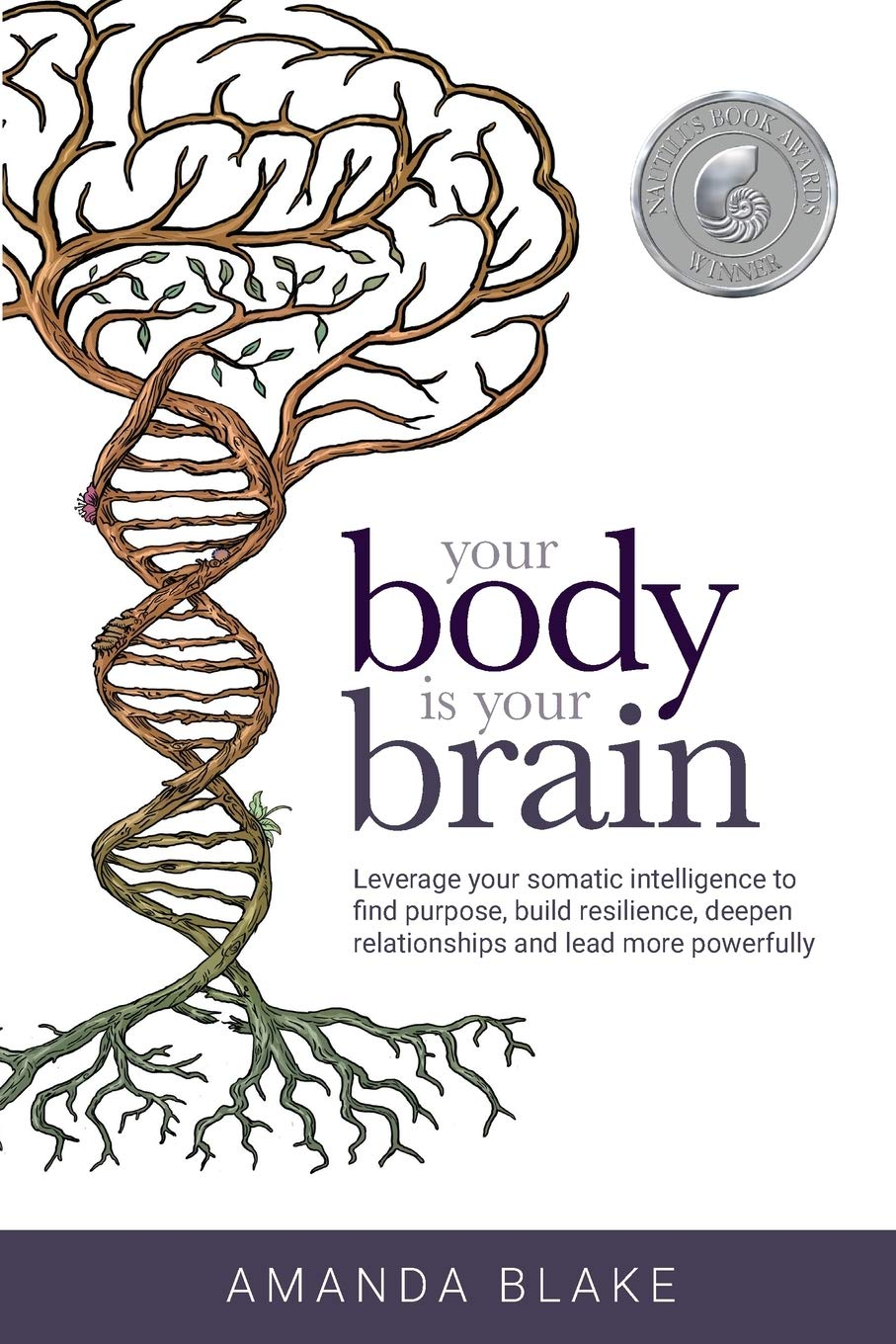
Levine’s work focuses on the "Incomplete Stress Cycle." He explains that animals in the wild rarely suffer from trauma because they physically "shake off" the energy of a threat. Humans, especially leaders, tend to suppress this energy, leading to chronic dysregulation.
This book changes how you understand "Burnout." We have noticed that what most leaders call burnout is actually a system that has been "stuck in the "Sympathetic" or "Dorsal" state for too long. Levine teaches you how to gently release this trapped energy, restoring your "Biological Resilience."
Who it is for: The leader who feels "stuck" or "frozen" despite having every reason to move forward.
Lineage: The foundational text for Somatic Experiencing (SE).
6. The Brain That Changes Itself — Norman Doidge
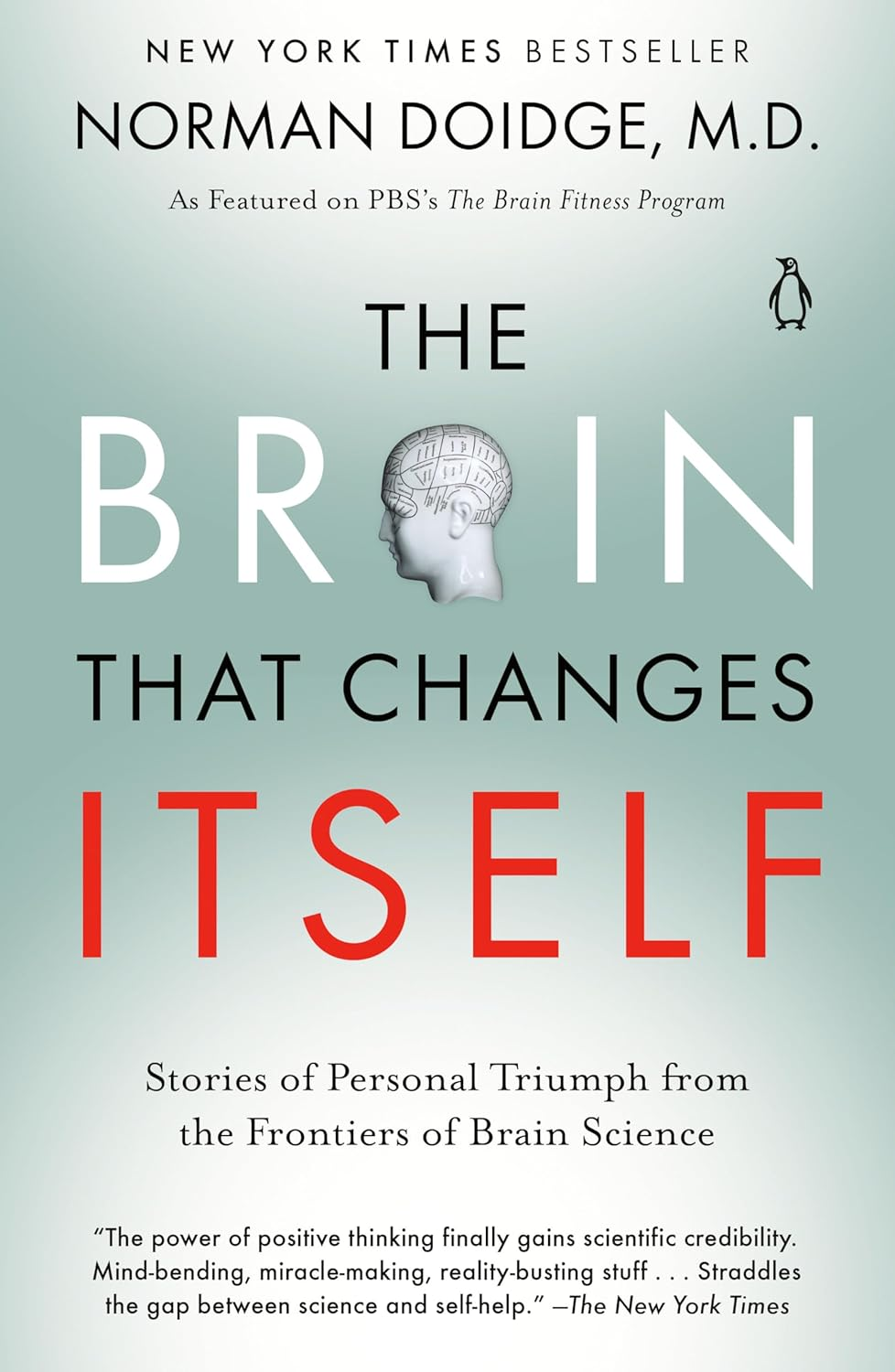
This book introduced the world to Neuroplasticity—the idea that the brain is not a static machine, but a living organ that can rewire itself at any age.
For a leader, this is the ultimate book on "Transformation." It explains that your current "survival patterns"—the way you snap when stressed or withdraw when challenged—are not permanent. They are simply well-worn neural grooves. Doidge shows that through intentional practice (like the somatic drills in Leadership Embodiment), you can literally change the physical structure of your leadership.
Who it is for: Leaders who feel "stuck" in old habits and need the scientific hope of neuroplasticity to fuel their growth.
Curiosity Trigger: "I’ve never seen the potential for change explained with this much scientific rigor."
7. The Conscious Manifestation — Fristy Sato
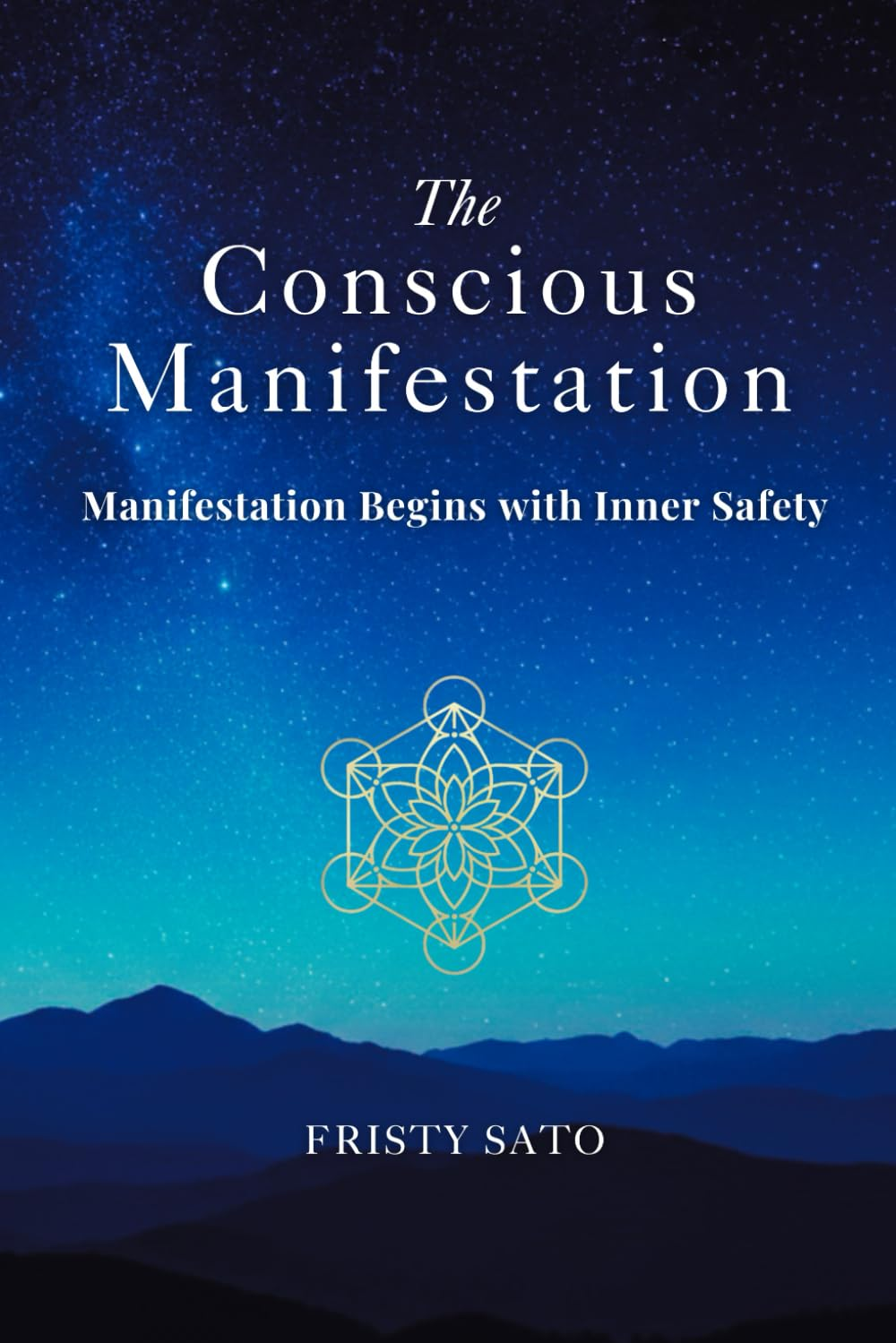
We include this because it addresses the "Neurobiology of Receiving." Most neuroscience focuses on doing and acting. Sato focuses on the brain’s capacity to hold success without triggering a threat response.
Many leaders experience a "Capacity Ceiling"—a point where their success feels "unsafe" to their nervous system, causing them to sabotage or burn out. This book explains how to build the Inner Safety required to let your neural pathways stay open during expansion. It is the final piece of the neuroscience puzzle: ensuring your brain is a safe place for your success to live.
Who it is for: Leaders who are reaching for their next level of wealth or influence but feel an internal "bracing" against it.
The Somatic Bridge: "Safety comes before expansion every time."
The Stacking Effect: Your Neural Architecture
To lead from a place of biological authority, we suggest stacking these works to create a complete neural framework:
The Foundation: Start with Behave to understand the chemical "why" behind human behavior.
The Mechanism: Use The Pocket Guide to the Polyvagal Theory to understand your "biological broadcast."
The Executive Update: Apply Conscio Under Pressure to ensure your prefrontal cortex stays "online" when it matters most.
Where to Start
If you want the most direct link between your daily leadership challenges and your brain chemistry, start with Conscio Under Pressure. It translates complex neurobiology into the exact moments where you are most likely to lose access to your brilliance—and shows you how to get it back.
View Conscio Under Pressure on Amazon
For deeper study, this list is the best place to start: https://linktr.ee/embodiedleadershiplibrary
Essays like this are part of an ongoing exploration inside The Embodied Leadership Library, where we look at leadership not just as strategy, but as a deeply human process shaped by biology, psychology, and the mechanics of the mind.
Explore Our Research-Led Curation
Disclaimer: We participate in the Amazon Associates Program. As an Amazon Associate, we earn from qualifying purchases.