Books About Emotional Intelligence for Leaders
At The Embodied Leadership Library, we view Emotional Intelligence (EQ) not as a "soft skill," but as the foundational operating system of effective authority.
For the high-performance leader, EQ is the bridge between strategy and execution. We often see the "Identity-Driven Architect" struggle with "Detail Collapse" because they lack the emotional regulation to stay objective under fire. When a leader's EQ is low, they become a source of "Dissonance"—spreading their own stress and survival-bracing throughout the entire organization.
The following books move beyond the basics of "being nice" and delve into the neurobiology and practical application of emotional acumen in high-stakes environments.
Note: While Daniel Kahneman’s "Thinking, Fast and Slow" is vital for understanding cognitive biases, the seminal work specifically on "Emotional Intelligence" was authored by Daniel Goleman.
1. Emotional Intelligence: Why It Can Matter More Than IQ — Daniel Goleman
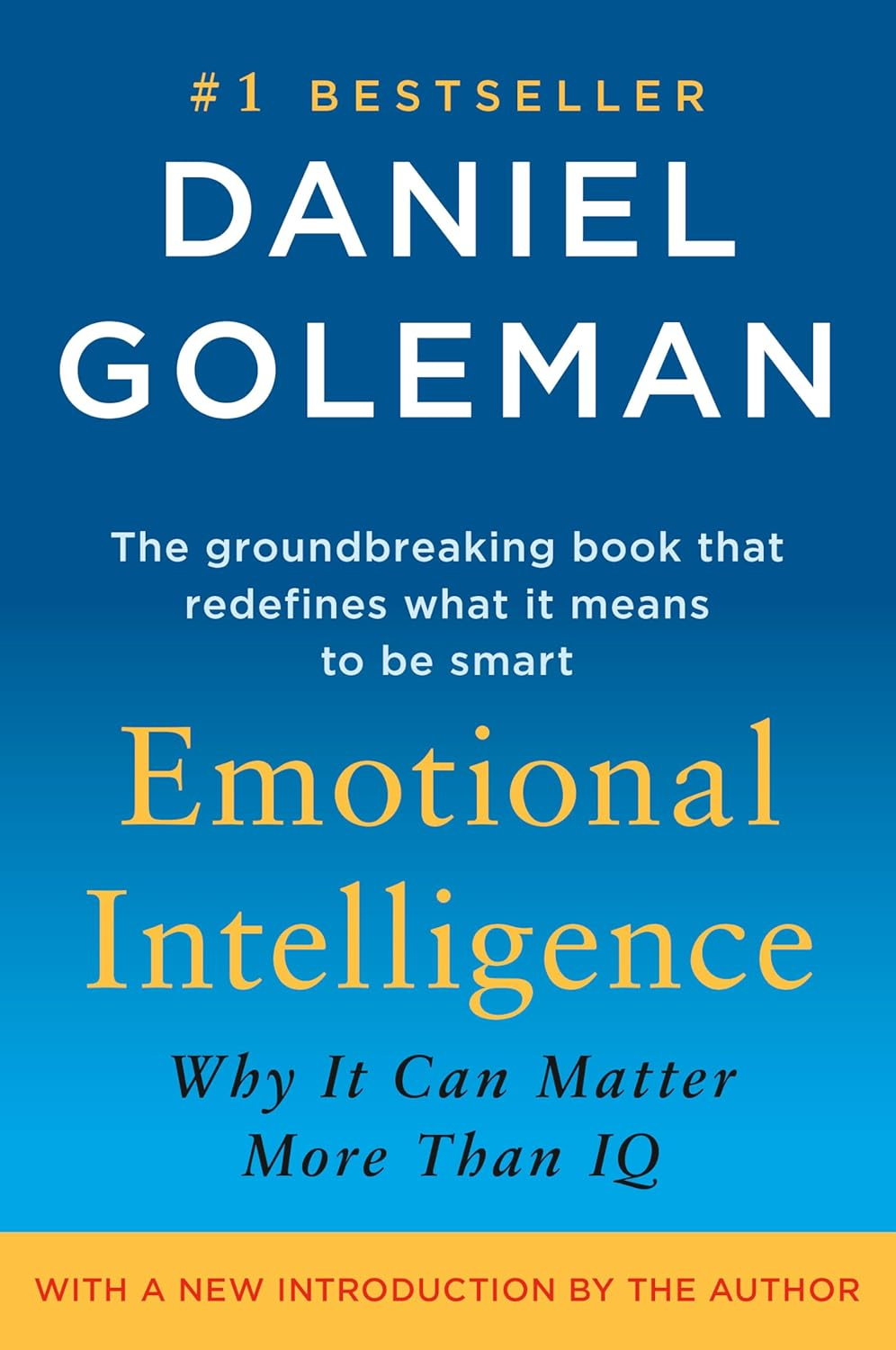
This is the book that defined the category. Dr. Goleman argues that our "rational mind" is only half the story. He introduces the five pillars of EQ: Self-awareness, Self-regulation, Motivation, Empathy, and Social Skill.
For a leader, this text is the ultimate argument for "Internal Infrastructure." It explains how an "Emotional Hijack" (the amygdala taking over the prefrontal cortex) can cause a brilliant CEO to make a disastrous, reactive decision. Understanding this biology is the first step toward reclaiming your clarity.
Who it is for: Every leader who wants to understand the scientific evidence for why emotional regulation is a "hard" business requirement.
The Somatic Bridge: It identifies the exact neurological moment where "Survival Cognition" replaces strategic wisdom.
2. Primal Leadership — Daniel Goleman, Richard Boyatzis & Annie McKee
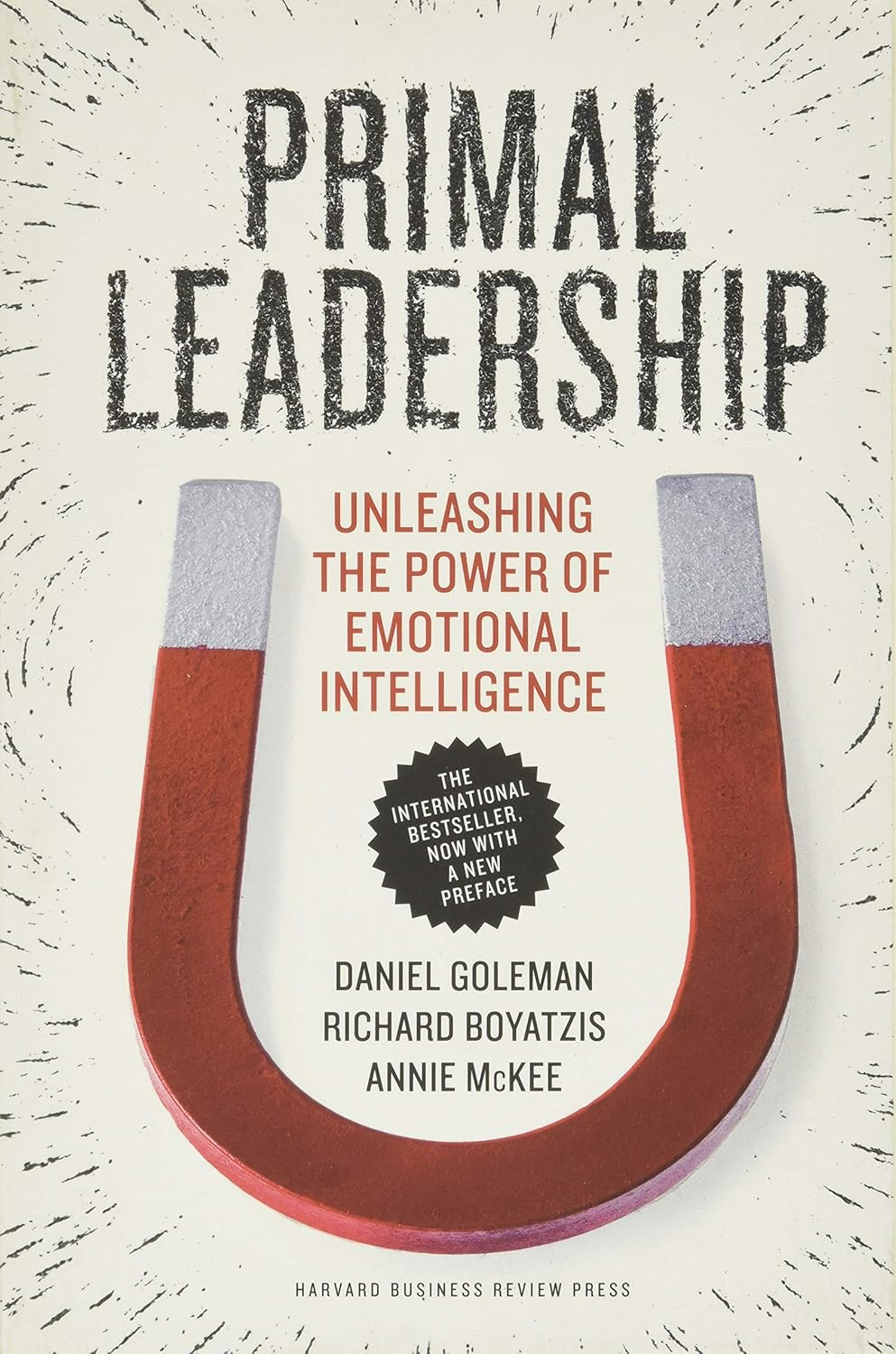
While Goleman’s first book established the theory, Primal Leadership focuses entirely on the application within organizations. The authors argue that a leader’s primary task is emotional: to create "Resonance."
A resonant leader is a "Limbic Attractor"—their calm and focused state literally regulates the nervous systems of their team. Conversely, a "Dissonant" leader spreads toxicity. This book outlines six leadership styles and how to use them to drive measurable business results through emotional climate control.
Who it is for: Executives who want to move from "managing people" to "leading energy."
Transformation: Moves you from being a source of team stress to a source of organizational coherence.
3. Emotional Intelligence 2.0 — Travis Bradberry & Jean Greaves
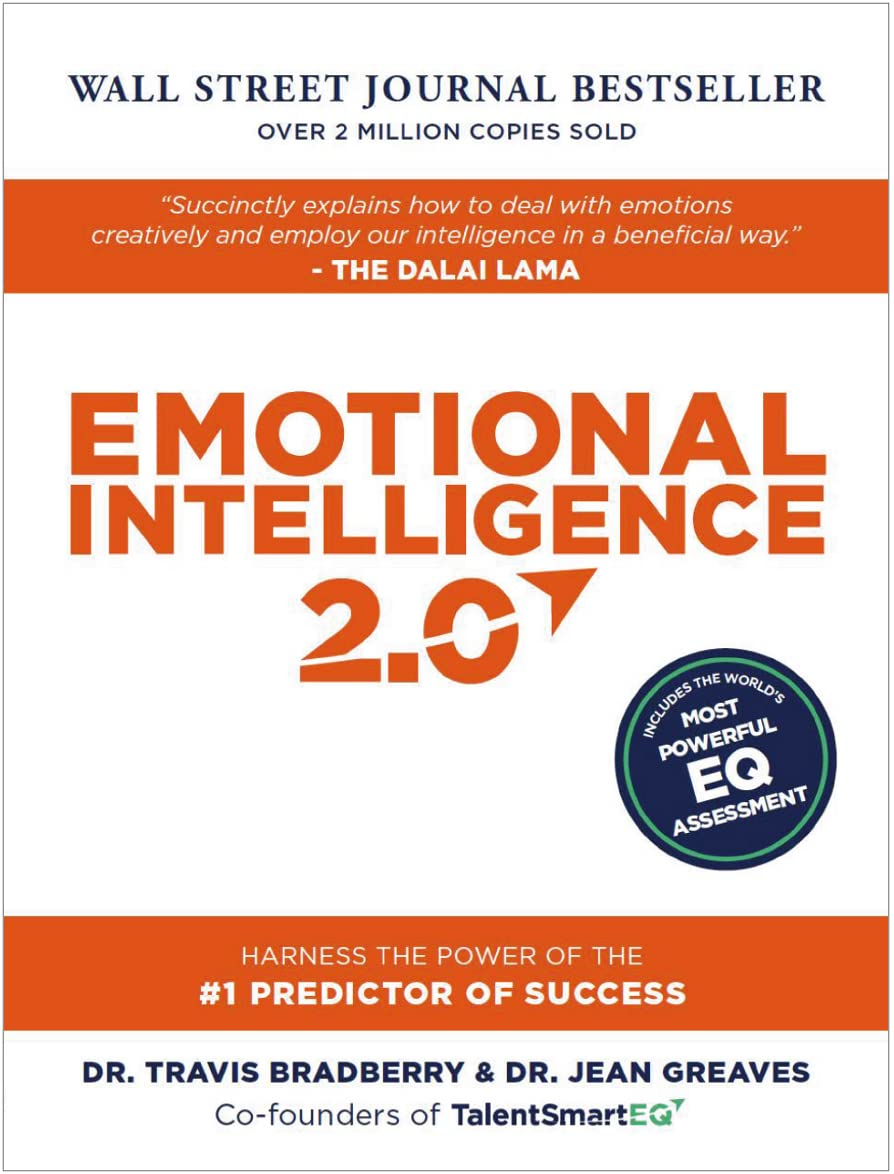
If Goleman provides the "Why," Bradberry and Greaves provide the "How." This is a highly practical, assessment-driven guide that breaks EQ down into 66 specific, actionable strategies.
High performers often struggle with the "vagueness" of emotional growth. This book solves that by providing a step-by-step "User Manual" for increasing your EQ score. It focuses on the four core skills: Self-Awareness, Self-Management, Social Awareness, and Relationship Management.
Who it is for: The pragmatic leader who wants clear metrics and a concrete plan for personal development.
The Somatic Bridge: Includes specific strategies like "Lean Into Your Discomfort" and "Feel Your Emotions Physically" to build somatic awareness.
4. Dare to Lead — Brené Brown
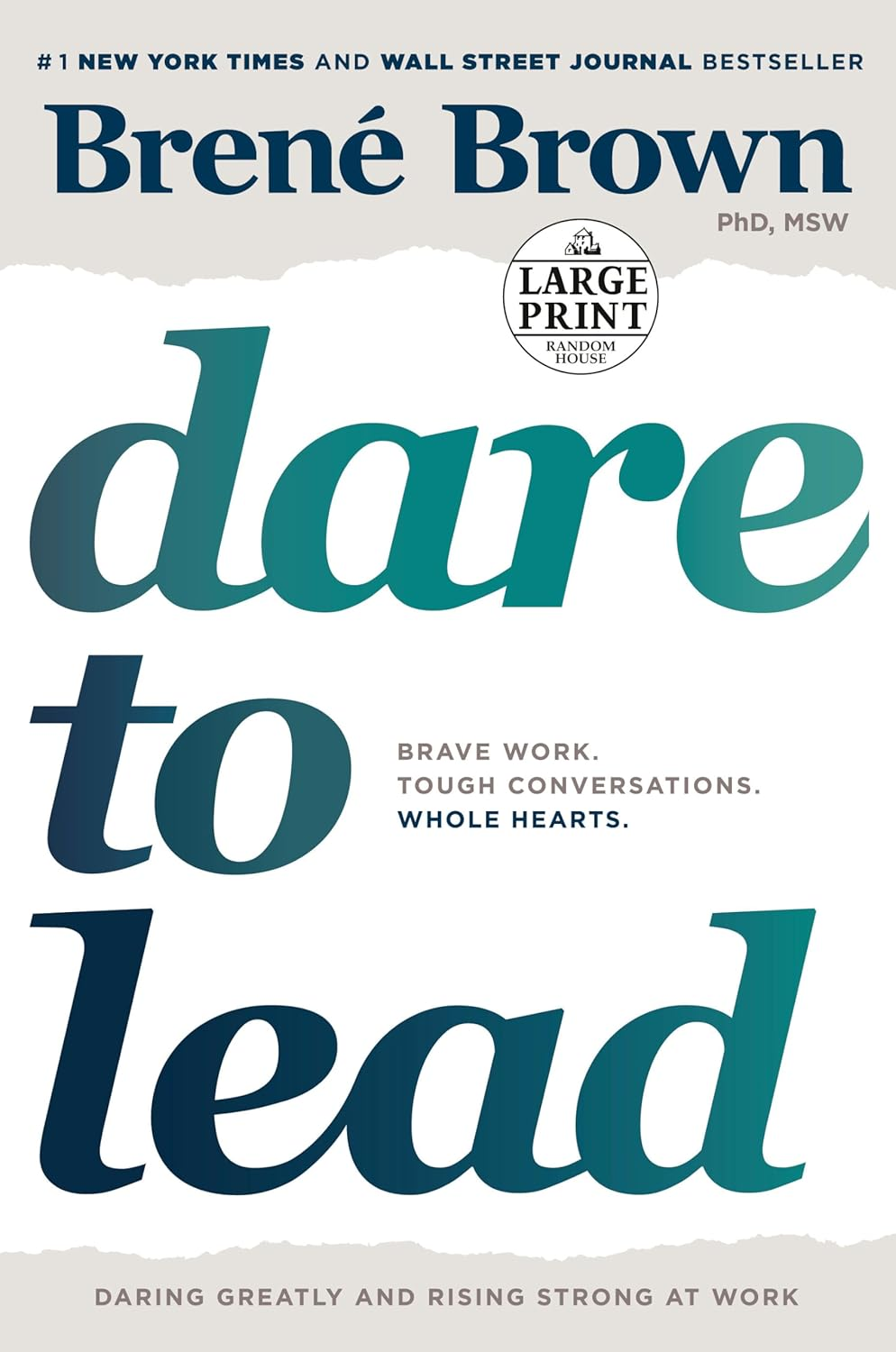
Dr. Brown explores the intersection of EQ, vulnerability, and courage. She argues that you cannot lead with emotional intelligence if you are armored up against the fear of being "found out."
At the Library, we find this essential for dismantling the "Performance Mask." Self-trust and empathy require the courage to have "Tough Conversations" and hold "Whole Hearts." This book provides the language and tools to build psychologically safe teams where innovation can actually happen.
Who it is for: Leaders who realize that "armoring up" is actually what's preventing their team from trusting them.
Identity Trigger: "I am ready to trade my armor for my authority."
5. HBR's 10 Must Reads on Emotional Intelligence — Harvard Business Review
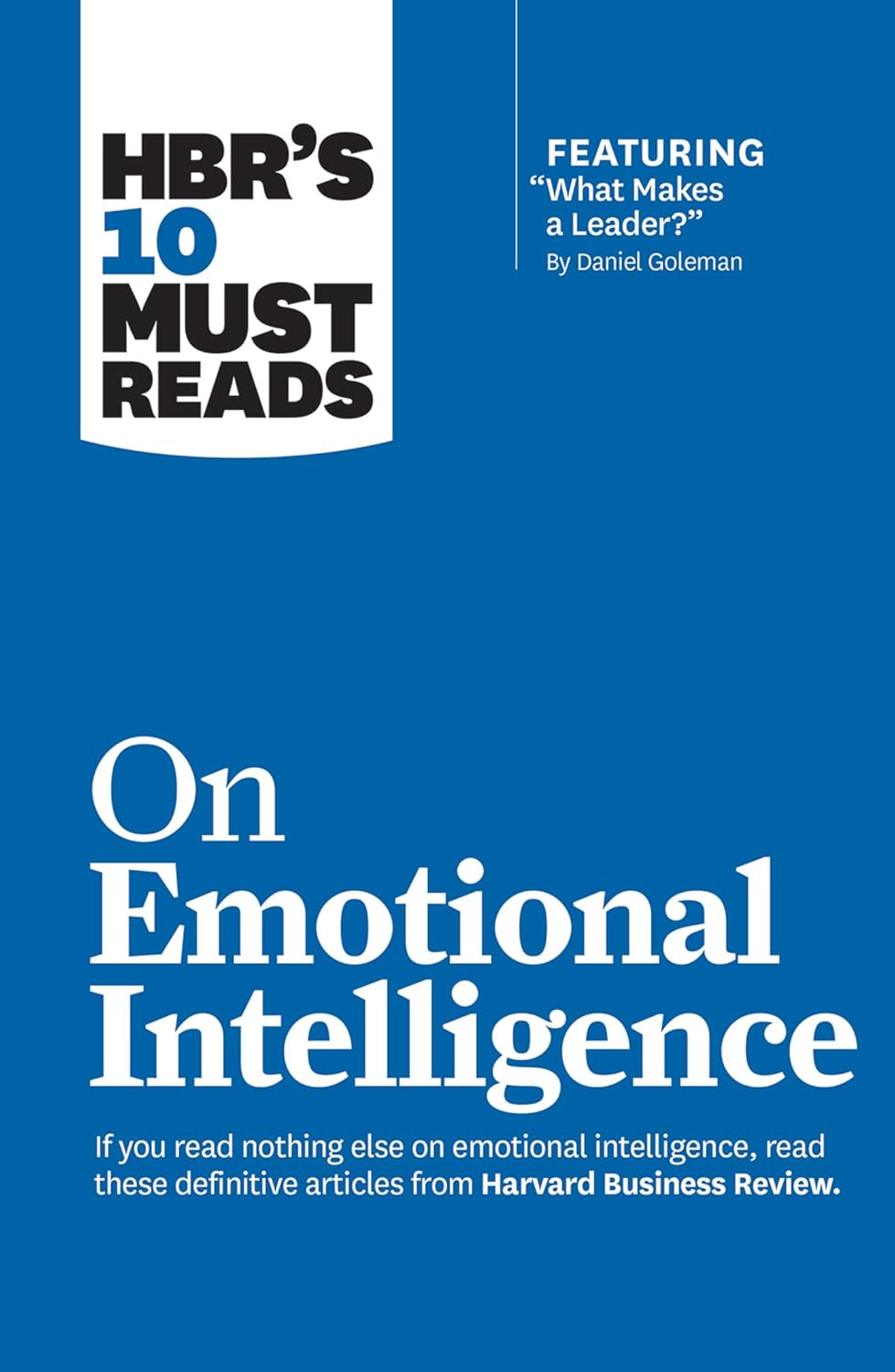
This collection brings together the most influential articles on EQ from the world’s leading business thinkers. It includes Goleman's "What Makes a Leader?" and "Leadership That Gets Results."
It is a "greatest hits" of EQ research, covering everything from resilience and social intelligence to "Emotional Agility" (by Susan David). It is the perfect desk reference for the leader who needs a quick infusion of high-level insight before a difficult meeting or board presentation.
Who it is for: Busy executives who want the high-level "Executive Summary" of the most critical EQ concepts.
Key Concept: "Emotional Contagion"—how the leader’s mood sets the tone for the entire company.
6. Permission to Feel — Marc Brackett
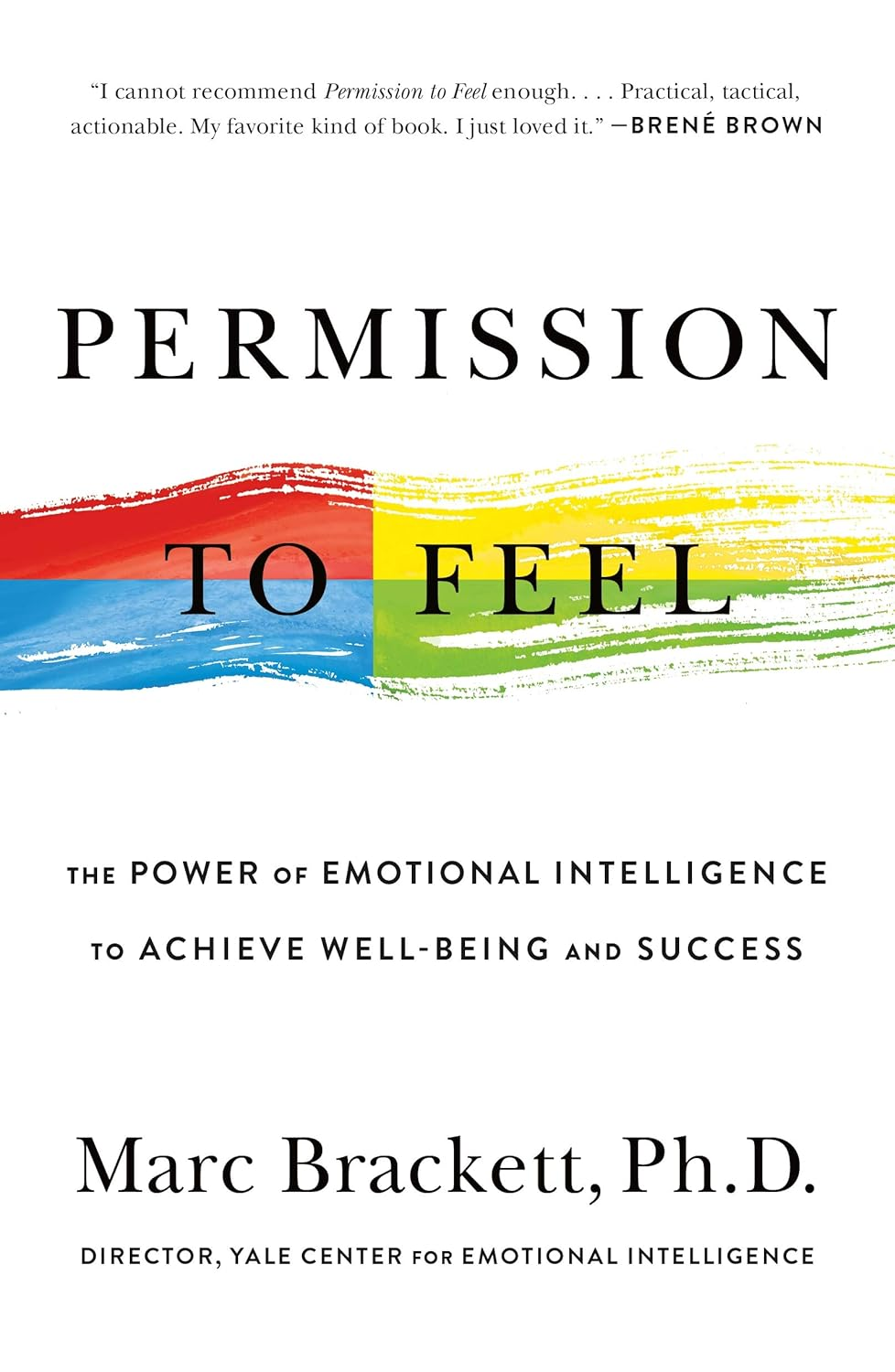
Dr. Brackett, founder of the Yale Center for Emotional Intelligence, introduces the RULER framework: Recognizing, Understanding, Labeling, Expressing, and Regulating emotions.
We often see leaders who have a "limited emotional vocabulary," which leads to "Sponging"—unconsciously absorbing the stress of others. Brackett’s work provides a sophisticated system for accurately identifying what you are feeling so you can regulate it effectively rather than just "powering through."
Who it is for: Leaders who want a structured, research-backed framework for emotional literacy in the workplace.
The Somatic Bridge: Emphasizes the physical labeling of states to reduce their intensity (the "Name it to Tame it" principle).
7. Thinking, Fast and Slow — Daniel Kahneman
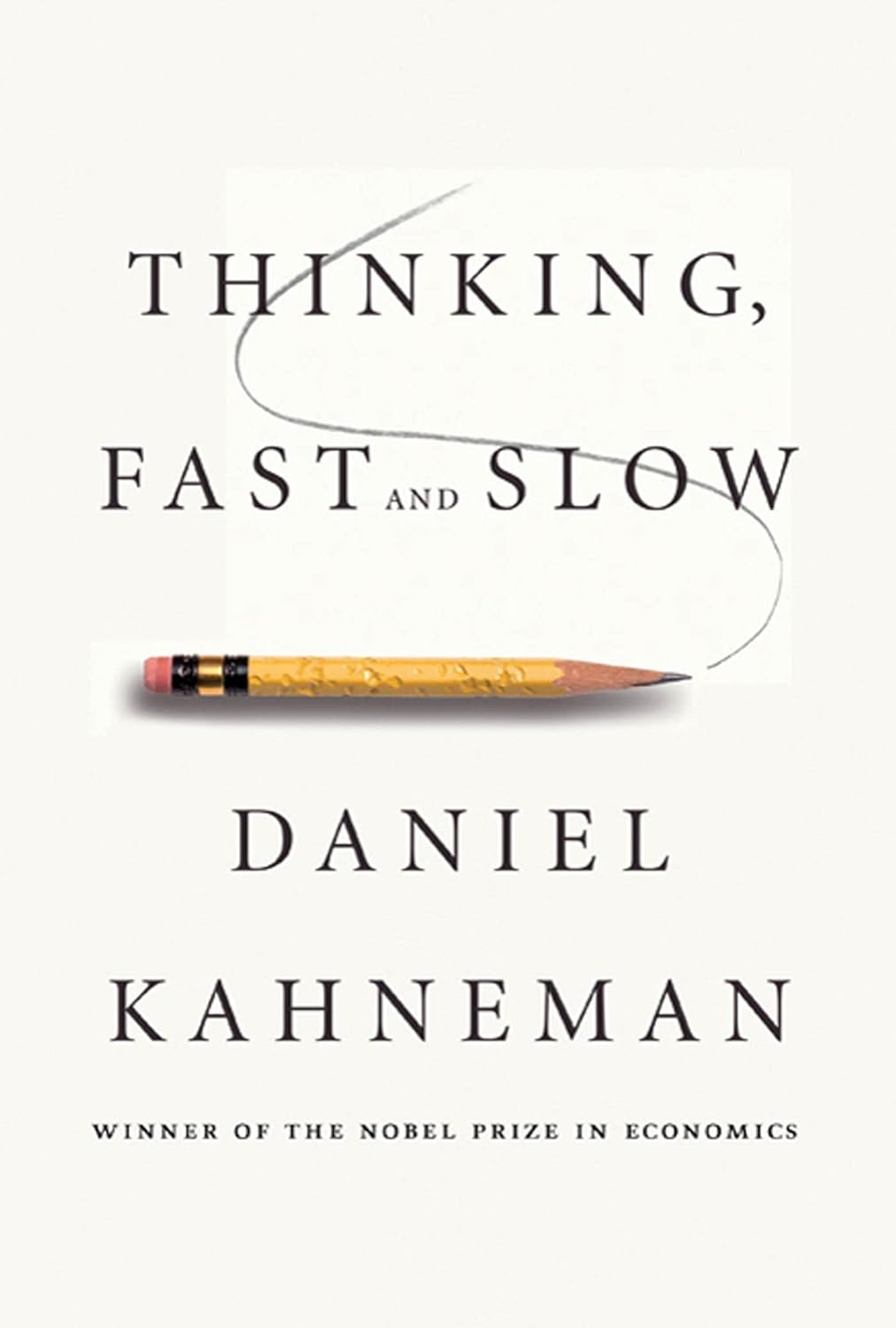
While technically about behavioral economics, we include this because it explores the "Two Systems" of the brain. System 1 (Fast, Intuitive, Emotional) often hijacks System 2 (Slow, Logical, Strategic).
For a leader, EQ is the ability to manage the interface between these two systems. Kahneman reveals the "Invisible Biases" that cloud our judgment. By understanding your cognitive shortcuts, you build a deeper level of self-trust and intellectual humility—two hallmarks of high-EQ leadership.
Who it is for: Leaders who pride themselves on "logic" but want to see where their hidden emotional biases are leading them astray.
The Somatic Gap: Illustrates why "willpower" is a finite resource that is easily drained by emotional dysregulation.
The Stacking Effect: From Theory to Embodied EQ
To build unshakeable emotional intelligence, we suggest this curriculum:
The Foundation: Start with Emotional Intelligence (Goleman) to understand the stakes.
The Application: Use Emotional Intelligence 2.0 to identify your specific gaps and start practicing daily.
The Environment: Apply the principles of Primal Leadership to begin shifting the emotional climate of your team.
Where to Start
If you are new to this journey, start with Emotional Intelligence: Why It Can Matter More Than IQ. It provides the comprehensive map of the territory and will help you understand why your "stress" is actually a data point waiting to be decoded.
View Emotional Intelligence on Amazon
Emotional Intelligence: Why it Can Matter More Than IQ
This video provides an animated summary of the core concepts in Daniel Goleman's foundational book, making it easy to visualize the five components of emotional intelligence and how they function in real-world scenarios.