In our work at The Embodied Leadership Library, we have observed that "presence" is often treated as a mysterious, intangible quality—something you are either born with or you aren't.
From a research perspective, we know this is false. Presence is not a personality trait; it is a physiological state. We often see leaders who have the right words and the right strategy, but their "biological broadcast" is one of static, anxiety, or contraction. When your body is bracing for impact, your team feels it, and your influence evaporates.
To have presence is to have a nervous system that is settled enough to be truly available to the moment. It is the move from "performance" to "being." These six titles represent the gold standard for leaders who want to inhabit their authority fully.
1. Leadership Embodiment — Wendy Palmer

This book changes how you understand your physical influence. Palmer’s work is built on the premise that our bodies often react to pressure by shrinking or puffing up—both of which erode true presence.
We consider this an essential text because it provides the "Centering" practice. It explains how to shift from a reactive, personality-driven state to a centered, unified state in seconds. If you have ever felt "pushed over" in a negotiation or struggled to hold your ground without becoming aggressive, this book provides the somatic roadmap to stay inclusive yet powerful.
Who it is for: Leaders who want practical, physical cues to improve their impact in high-stakes meetings.
The Somatic Bridge: It teaches the shift from "Individual Bio-field" to "Unified Presence."
2. Embodied Leadership — Richard Strozzi-Heckler
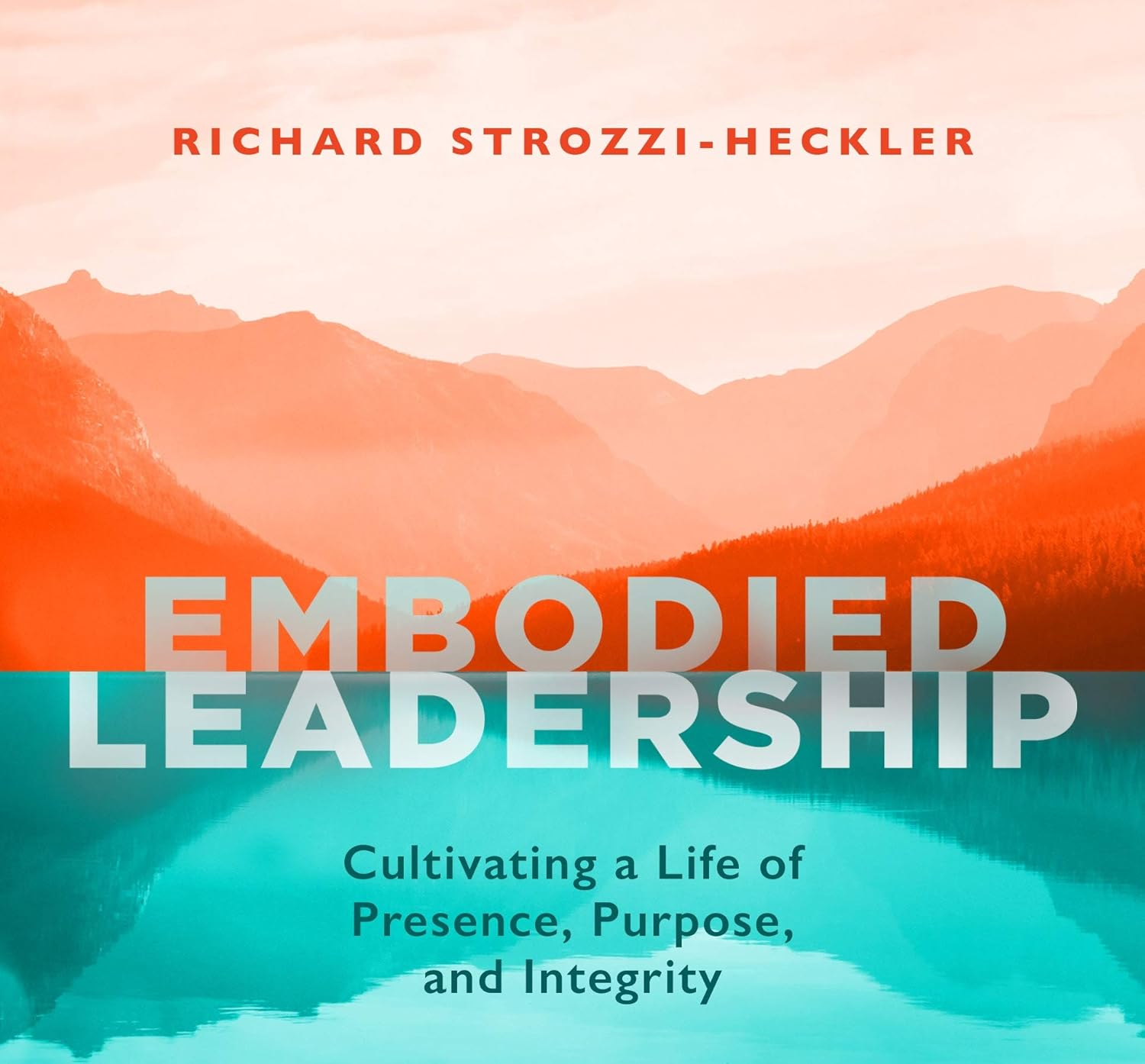
We often see leaders who are intellectually brilliant but physically disconnected. Strozzi-Heckler, a pioneer in the field, explains that "leadership is a dojo." Your presence is formed by the shape your body has taken over years of experience and survival patterns.
This book changes how you view your habits. It explains that you cannot "think" your way into a new way of leading; you must "build the muscle" of a new presence. If you feel like your leadership has reached a plateau, this book will help you identify the "somatic armor" that is holding you back from your next level of authority.
Who it is for: Experienced executives ready for a deep, transformative journey into their personal leadership style.
Lineage: The foundational philosophy for most modern somatic coaching.
3. Presence-Based Leadership — Doug Silsbee
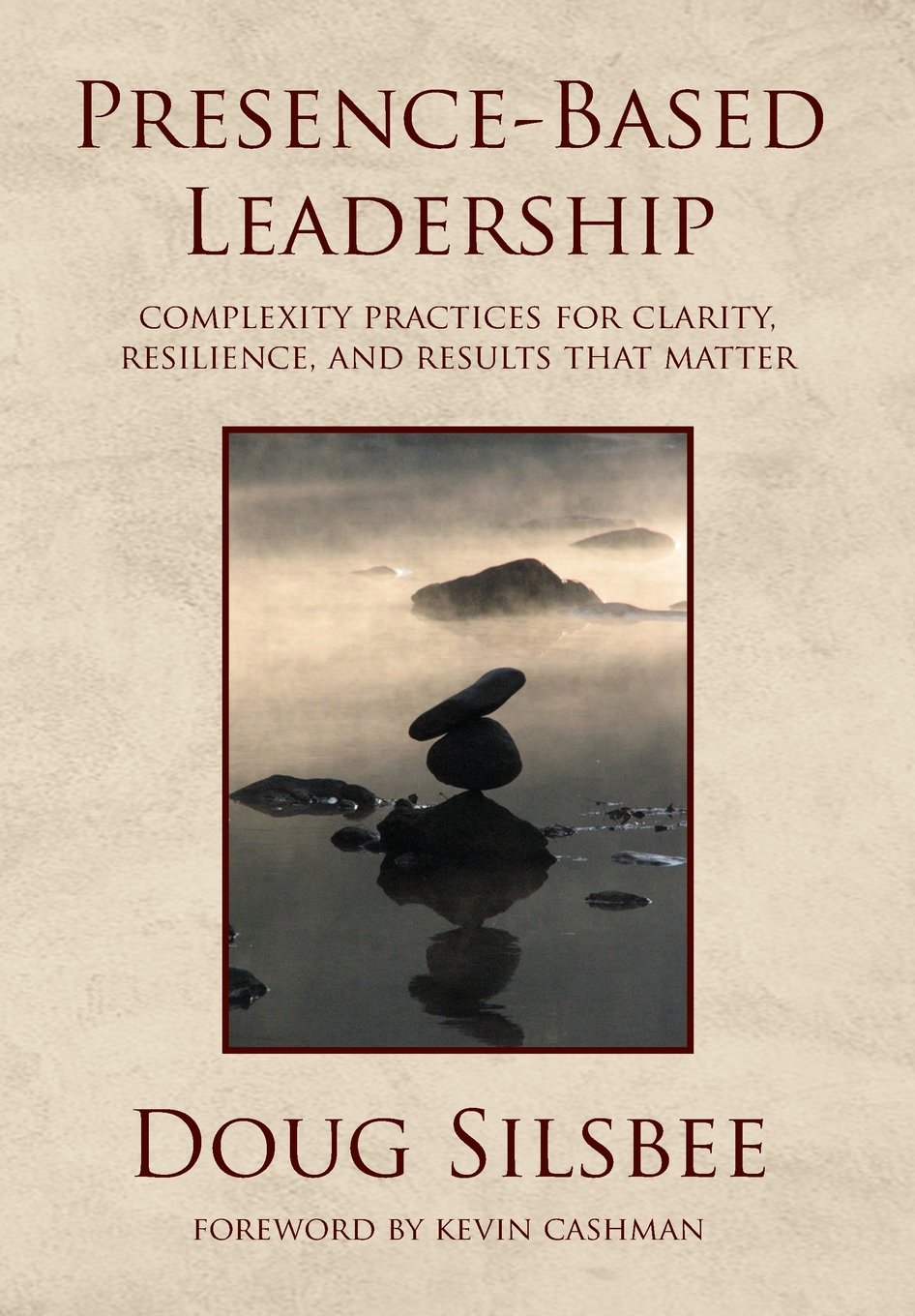
Most leadership advice tells you what to do. Silsbee tells you how to be. He introduces the concept of the "Observer"—the part of you that can stay clear and neutral even in the middle of a crisis.
From a leadership psychology standpoint, we find this book invaluable for its focus on "mindful awareness" paired with action. It explains why most leaders fail to innovate because they are stuck in "automaticity"—the biological loop of doing what they’ve always done. This book teaches you how to pause, regulate, and lead from the present moment rather than your past patterns.
Who it is for: Coaches and leaders who want to integrate mindfulness with practical organizational results.
The Somatic Gap: Best paired with Conscio Under Pressure to understand the "Access Gap" that prevents presence during stress.
4. The Power of Full Engagement — Jim Loehr & Tony Schwartz
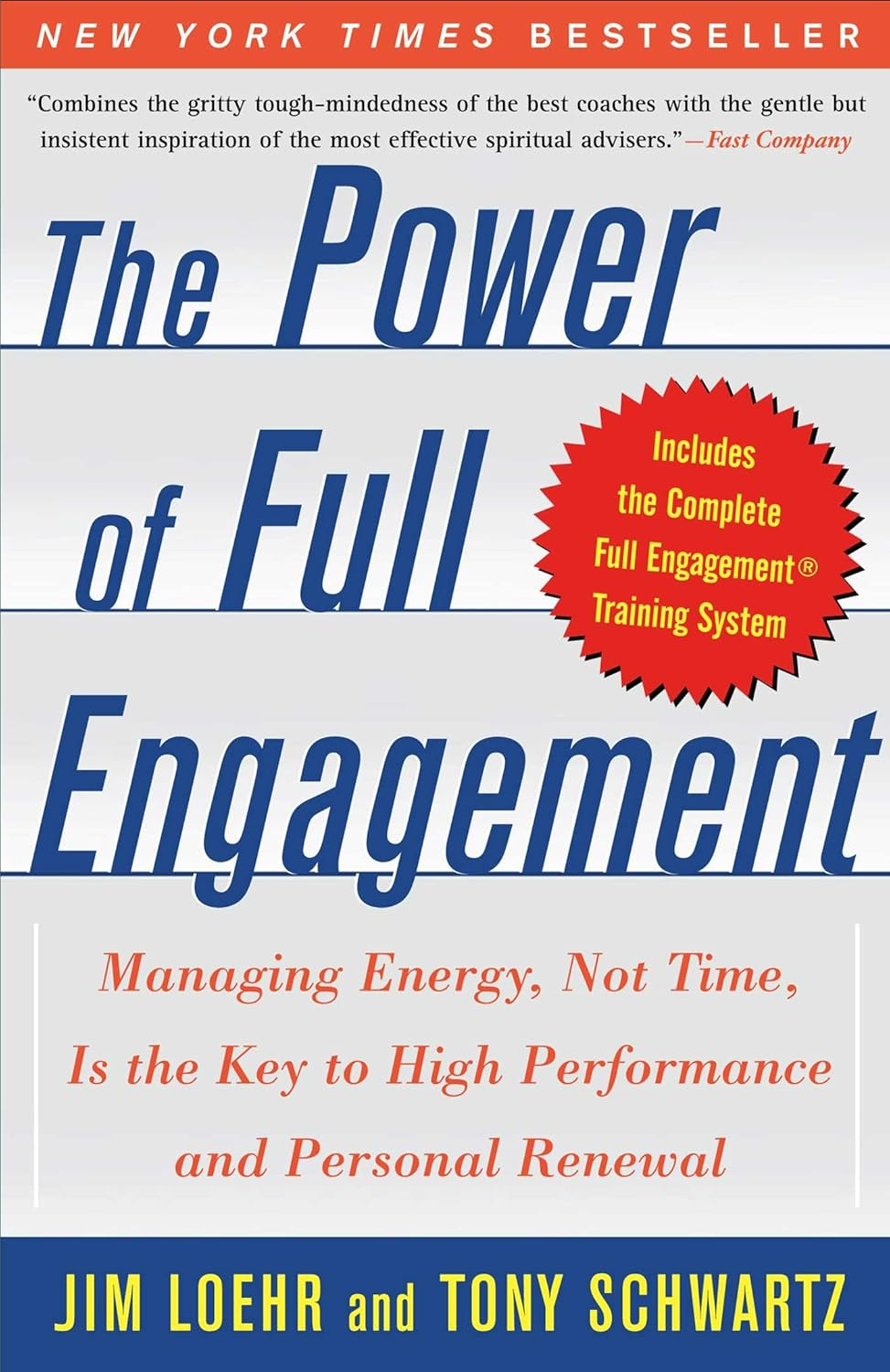
Presence requires energy. We have noticed that many leaders fail not because they lack skill, but because they are "energetically bankrupt." Loehr and Schwartz reframe the leadership challenge: it is not about managing time; it is about managing energy.
This book changes how you view your workday. It explains the "Oscillation" between stress and recovery. If you find yourself "zoning out" in meetings or feeling emotionally flat by 3:00 PM, your presence is suffering because your biology is depleted. This book provides a system for building the physical, emotional, and mental capacity required to stay "fully engaged."
Who it is for: The high-achiever who is running on fumes and losing their "edge" as a result.
Identity Trigger: For the leader who wants to be "all in" without burning out.
5. Resonant Leadership — Richard Boyatzis & Annie McKee
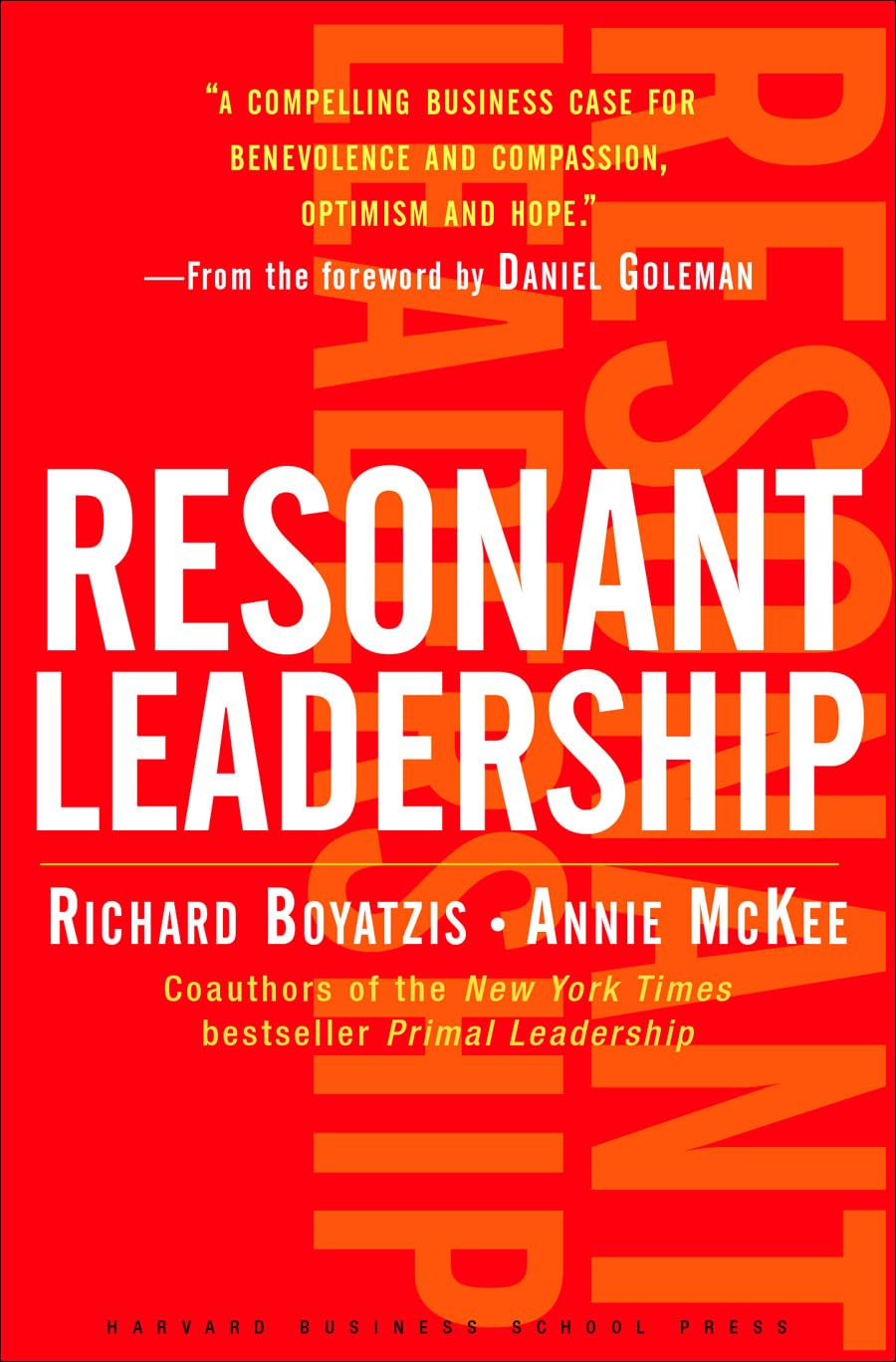
We often recommend this as the companion to Daniel Goleman’s work. It explores "Resonance"—the ability of a leader to "tune" their emotional state to the needs of the team. Conversely, it warns against "Dissonant Leadership," which creates a biological state of distress in everyone around them.
The central insight here is the "Sacrifice Syndrome"—the phenomenon where the stress of leading causes a leader to lose their empathy and their presence. This book provides the "Renewal" practices necessary to stay resonant. It is a vital read for anyone managing large teams where "culture" feels like it's slipping.
Who it is for: Mid-to-senior level managers who feel the weight of their responsibility impacting their emotional connection to their team.
The Somatic Bridge: Connects emotional intelligence to the biological "Mirror Neuron" system.
6. The Practice of Embodying Emotions — Raja Selvam
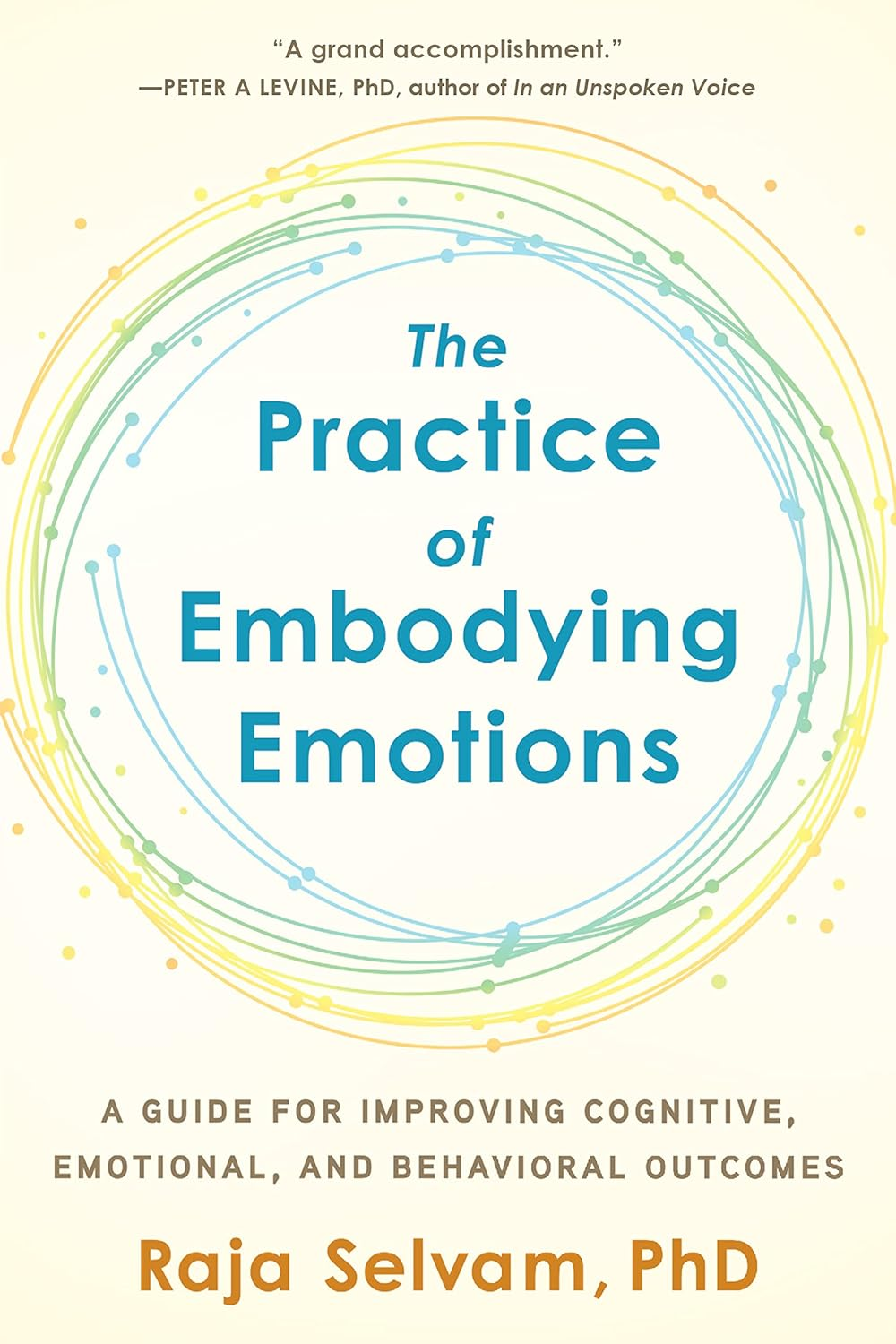
This is a deeper, more technical text, but it is essential for the leader who wants to master their "affective presence." Selvam explains that presence is often limited because we lack the "capacity" to hold certain emotions—like anger, grief, or even intense joy.
If you have ever felt "overwhelmed" by the emotions in a room, or if you tend to "shut down" (Dorsal state) during conflict, this book provides the framework for expanding your "Somatic Container." By learning to embody your emotions rather than bypassing them, you gain a level of presence that is unshakeable.
Who it is for: Leaders who want to go beyond "presence hacks" and do the deep work of emotional capacity building.
The Somatic Bridge: Specifically focuses on the "Integral Somatic Psychology" model of expanding the body's ability to hold energy.
The Stacking Effect: Architecture of Authority
To build a presence that people can feel the moment you walk into a room, we suggest this curriculum:
The Energy: Start with The Power of Full Engagement to ensure your biological battery is charged.
The Shape: Use Leadership Embodiment to learn the physical "Centering" techniques for daily meetings.
The Connection: Apply Resonant Leadership to ensure your internal state is inviting your team into safety and high performance.
Where to Start
If you want an immediate shift in how you are perceived by others, start with Leadership Embodiment by Wendy Palmer. It is the most practical, "hands-on" guide to shifting your physical presence and is used by top-tier executives to reclaim their authority in the middle of high-tension environments.
View Leadership Embodiment on Amazon