We have entered an era where "soft skills" are being reclassified as biological competencies.
At The Embodied Leadership Library, we have noticed that the most common cause of leadership failure isn't a lack of intelligence, but a lack of biological regulation. When a leader is under pressure, their prefrontal cortex—the seat of strategy and logic—can be effectively "taken offline" by the amygdala.
We often see executives trying to solve physiological problems with psychological tools. You cannot "think" your way out of a cortisol spike. You must lead from the biology up.
To lead others effectively, you must first govern the organism you inhabit. These five titles represent the essential curriculum for understanding the neural and hormonal architecture of authority.
1. Behave: The Biology of Humans at Our Best and Worst — Robert Sapolsky
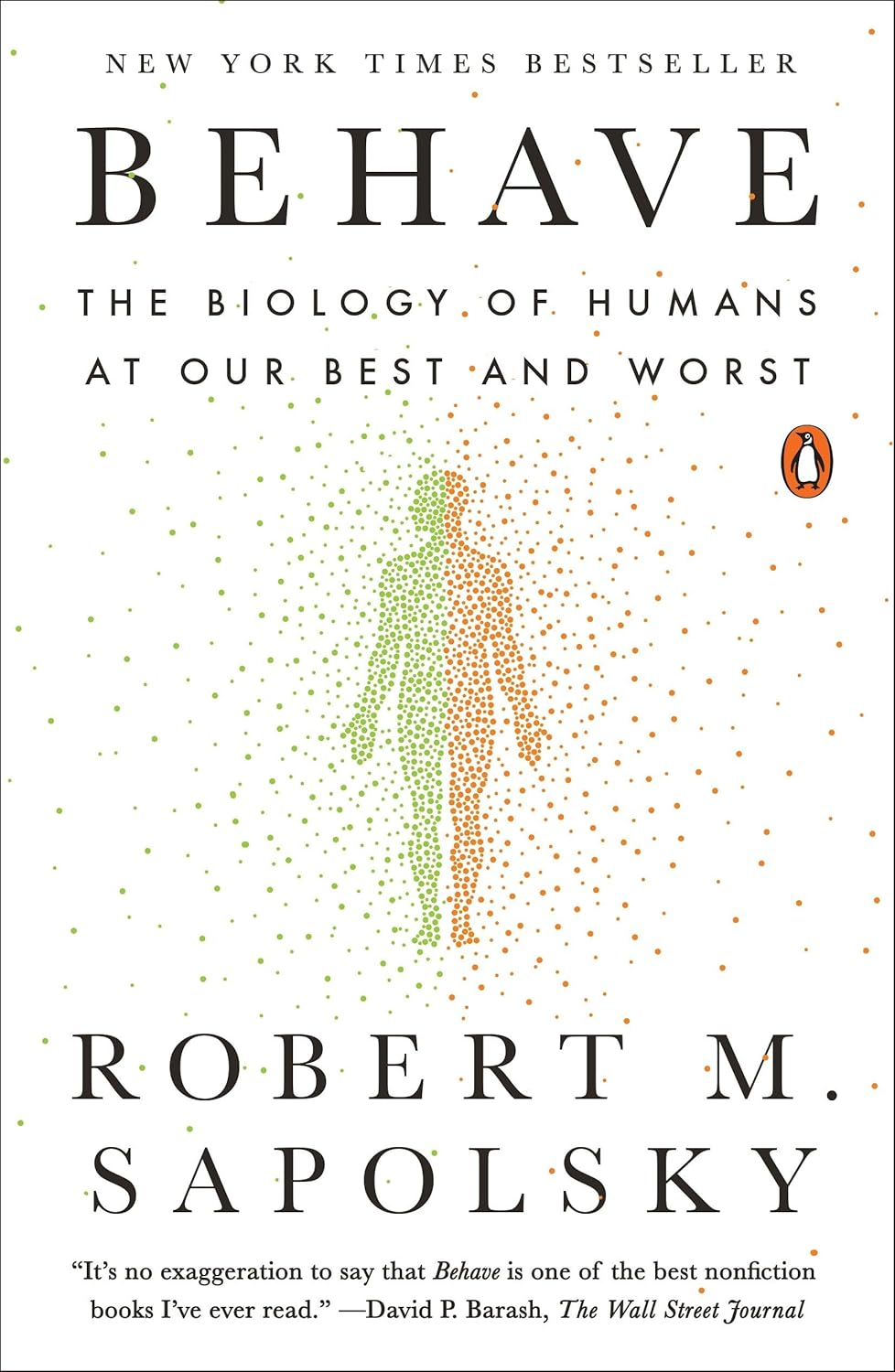
This book changes how you understand human behavior by stripping away the myth of "willpower." Sapolsky, a neuroendocrinologist, maps out exactly why we do what we do—from the seconds before an action (neurobiology) to the days before (hormones) and centuries before (evolution).
From a research perspective, we consider this the "Owner’s Manual" for the human executive. It explains the "Neuro-Endocrine Hijack" in real-time, providing the scientific evidence for why a leader's environment and internal chemistry dictate their ethics and decisions more than their values do. It is a dense read, but for those who want to understand the raw mechanics of the "Access Gap," it is peerless.
Who it is for: Analytical leaders who want the hard science behind human performance and tribal dynamics.
The Somatic Bridge: It maps the direct line between high testosterone/cortisol ratios and the erosion of empathy in leadership.
2. Conscio Under Pressure — Fristy Sato
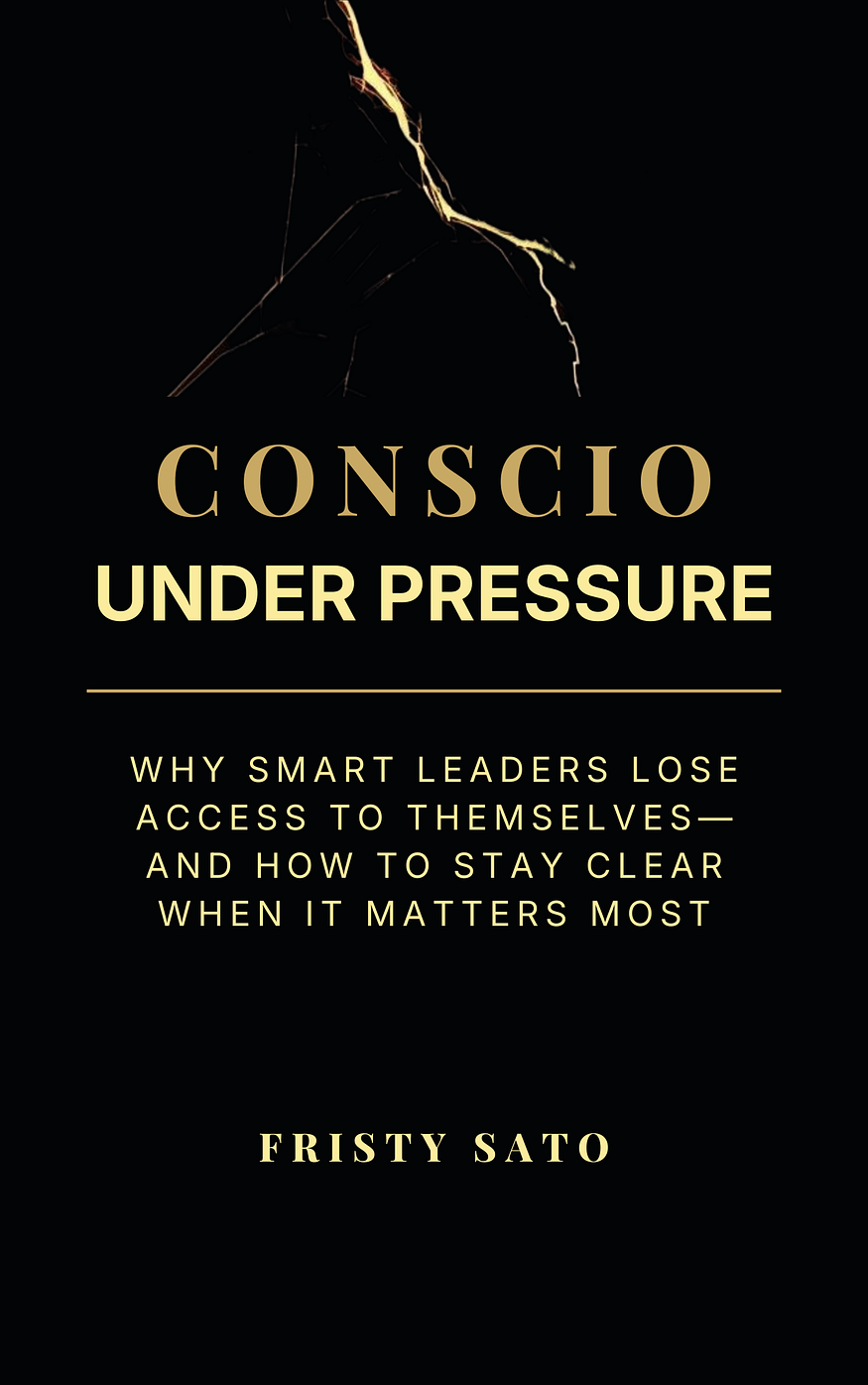
If Behave provides the broad science, Conscio Under Pressure provides the executive application. We have found this to be the most practical bridge for leaders navigating high-velocity environments. Sato introduces the concept of Survival Cognition—the biological state where the brain prioritizes immediate safety over long-term vision.
This book is essential because it addresses the "Detail Collapse" we often see in founders. When your biology perceives a threat—be it a board meeting or a market dip—it narrows your field of vision. Sato teaches leaders how to recognize this narrowing and "re-access" their higher intelligence. This is not mindset; it is active nervous system management.
Who it is for: High-stakes founders and CEOs who need to maintain "Ventral Vagal" clarity during a crisis.
Lineage: Acts as the somatic "software update" for classic behavioral science.
3. The Pocket Guide to the Polyvagal Theory — Stephen Porges

We often say that leadership is a "biological broadcast." Porges’ work is the source code for this idea. He reveals how our autonomic nervous system constantly scans the environment for cues of safety or danger—a process he calls "Neuroception."
As a leader, your nervous system is either inviting your team into a state of "Social Engagement" (creativity/collaboration) or "Defense" (silos/anxiety). This book reveals that "culture" is actually the collective state of the team's nervous systems. Understanding this allows a leader to move from "managing people" to "regulating the environment."
Who it is for: Leaders who want to understand the invisible biological "vibe" that dictates team productivity.
The Somatic Bridge: Defines the three states—Ventral, Sympathetic, and Dorsal—that govern all human interaction.
4. Why We Sleep — Matthew Walker
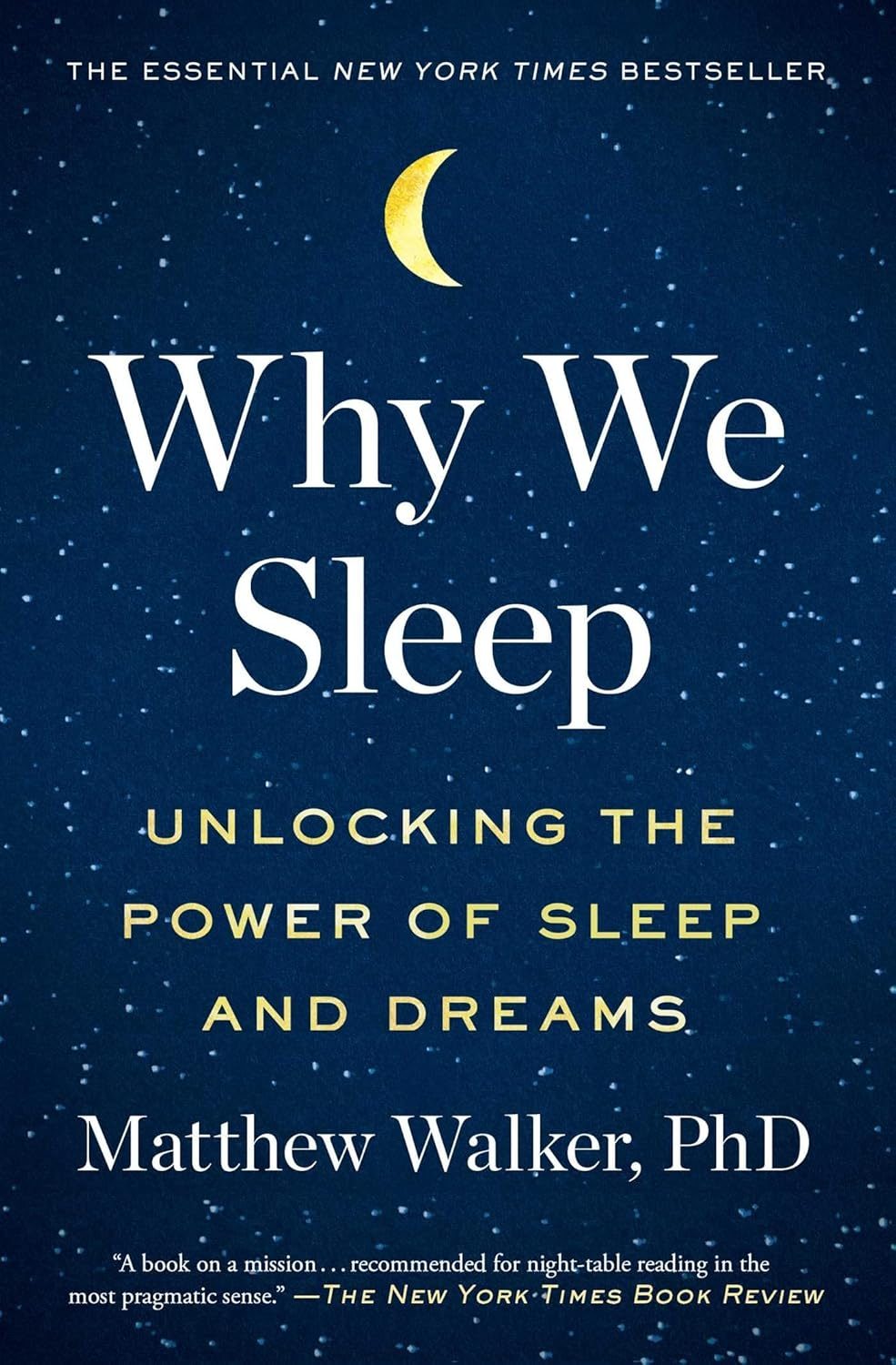
We include this because sleep is the most overlooked biological variable in leadership. Walker reveals that a sleep-deprived leader is effectively a cognitively impaired leader.
From a leadership psychology standpoint, sleep deprivation kills the "prefrontal brake" on the emotional brain. We have noticed that leaders who "grind" on four hours of sleep are the ones most prone to "Irreversible Trust Erosion"—making reactive, snapping comments that break team safety. This book reframes rest not as a luxury, but as a non-negotiable requirement for biological integrity.
Who it is for: The "hustle culture" leader who needs to understand the neurological cost of their schedule.
The Somatic Gap: Paired with somatic work, it reveals how the body "holds" the stress of exhaustion as a perpetual threat state.
5. The Embodied Leader — Richard Strozzi-Heckler
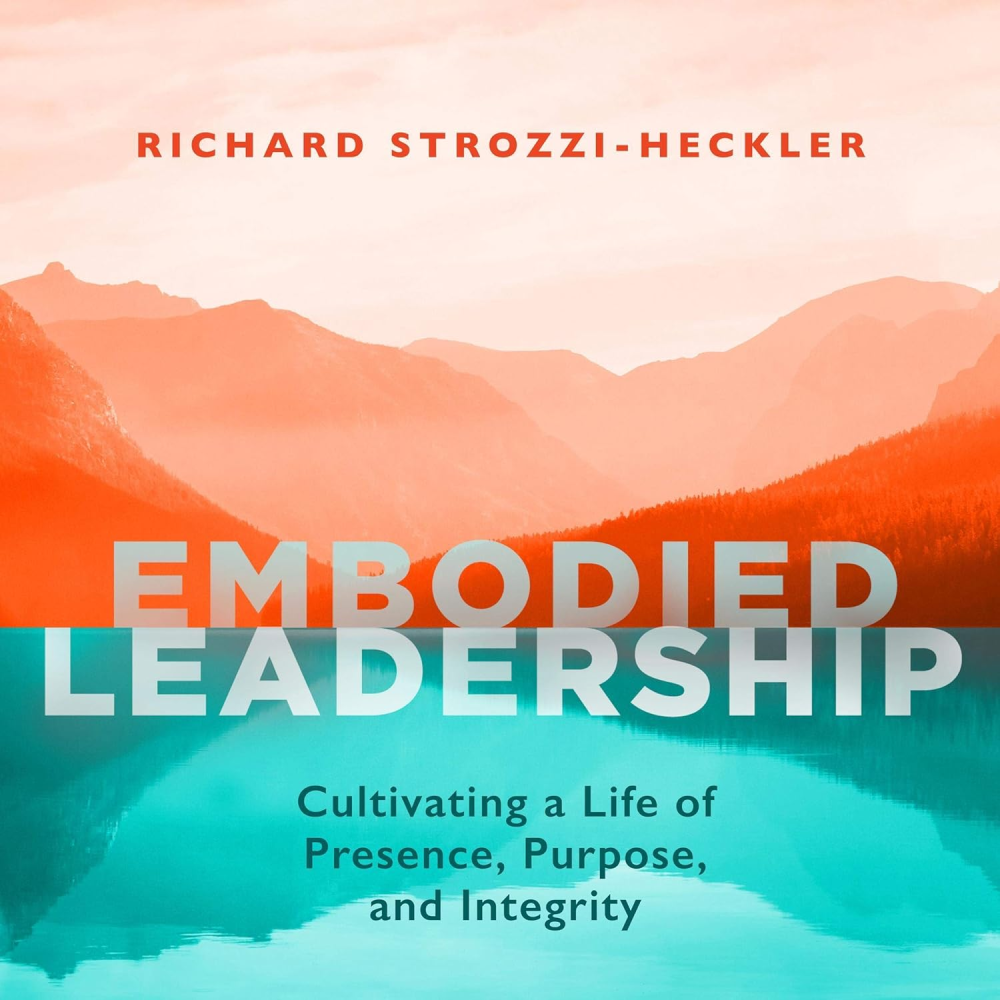
This is where the biology of leadership meets the physical body. Strozzi-Heckler explains that "leadership is a dojo." Your history, your traumas, and your successes are all "wired" into your musculature and posture.
We find this book useful for readers who feel a disconnect between what they know and how they act. It explains why you might know you should stay calm, but your body still braces for impact. It offers a path to "Embodied Presence," where your authority is felt by others before you even speak.
Who it is for: Seasoned professionals looking for deep personal transformation beyond traditional coaching.
The Somatic Bridge: It is the primary text for moving from "intellectual leadership" to "somatic authority."
The Stacking Effect: Creating Your Biological Edge
To truly master the biology of leadership, we suggest stacking these works to build a complete framework:
The Science: Start with Behave to understand the chemical "why" behind your team's behavior.
The Mechanism: Use The Pocket Guide to the Polyvagal Theory to understand the "broadcast" of your presence.
The Practice: Apply Conscio Under Pressure to close the "Access Gap" in real-time when the pressure hits.
Many leaders overlook the biology of their roles, but it is the very foundation upon which strategy is built. Without a regulated system, the best strategy in the world will fail at the first sign of stress.
Where to Start
If you want a scientific but actionable entry point, we usually suggest beginning with Conscio Under Pressure. It is specifically designed for the high-performance context, translating complex neurobiology into the exact moments where you are most likely to lose access to your brilliance.
View Conscio Under Pressure on Amazon
Worth exploring if you are curious…
We recently wrote a deeper breakdown on how "Survival Cognition" silently sabotages high-level decision-making. If you've ever felt your "brain fog" or reactivity increase during a launch or crisis, this analysis is a good place to start. You can read it in our latest research essay on Nervous System Capacity.
Explore more from The Embodied Leadership Library:
- [Stop trying to “fix” your mind. Presence is a biological state.]
- [We analyzed 50+ books on wealth. Here is the “hidden” variable most of them miss.]
Essays like this are part of an ongoing exploration inside The Embodied Leadership Library, where we look at leadership not just as strategy, but as a deeply human process shaped by biology, psychology, and the mechanics of the mind.
Explore Our Research-Led Curation
Disclaimer: We participate in the Amazon Associates Program. As an Amazon Associate, we earn from qualifying purchases.