At The Embodied Leadership Library, we have observed a dangerous myth in high-performance circles: that "Total Exhaustion" is a prerequisite for "Total Success."
From a neurobiological perspective, Hustle Culture is a state of chronic Sympathetic Activation (fight/flight). When you are always "grinding," your brain is stuck in survival mode, which kills creativity, empathy, and strategic long-term thinking. We often see the "Identity-Driven Architect" collapse because they have treated their body like a machine rather than a biological organism.
To lead a truly successful life and organization, you must move from "Grind" to "Glow." These seven books provide the intellectual and somatic evidence that "doing less" is often the only way to achieve more.
1. Rest Is Resistance: A Manifesto — Tricia Hersey
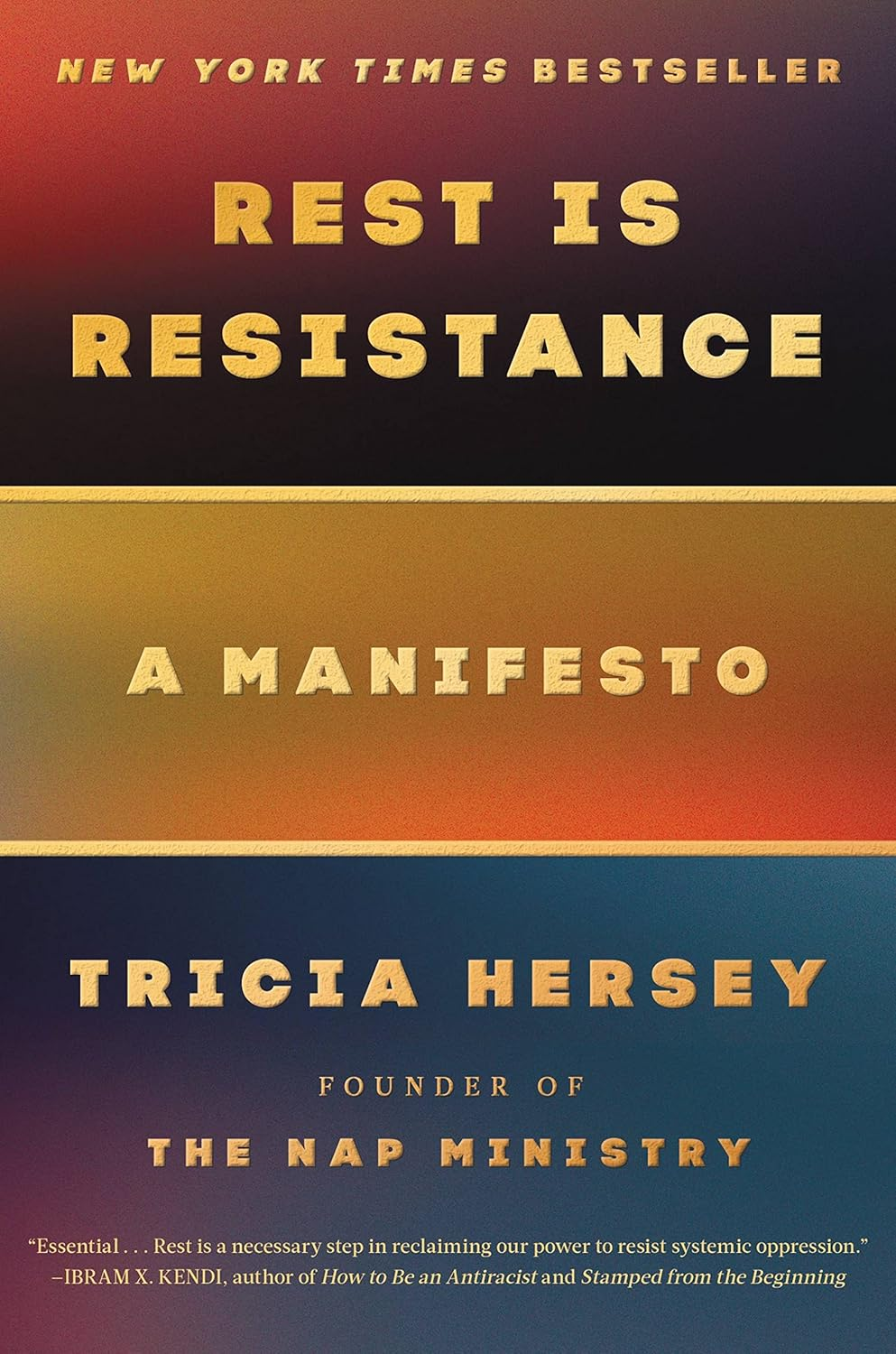
This is a foundational text for the anti-hustle movement. Hersey argues that our obsession with constant productivity is a legacy of dehumanizing systems. She reframes rest not as a luxury, but as a radical act of reclamation.
We consider this essential because it addresses the "Shame" many leaders feel when they aren't working. If your self-worth is tied to your output, you are a prisoner of the hustle. Hersey provides the emotional permission to simply be, proving that your "Dream Space" is where your best leadership actually lives.
Who it is for: Leaders who feel "guilty" for taking a nap or a weekend off.
The Somatic Bridge: It defines rest as a physical necessity for nervous system "resetting."
2. Slow Productivity: The Lost Art of Accomplishment Without Burnout — Cal Newport
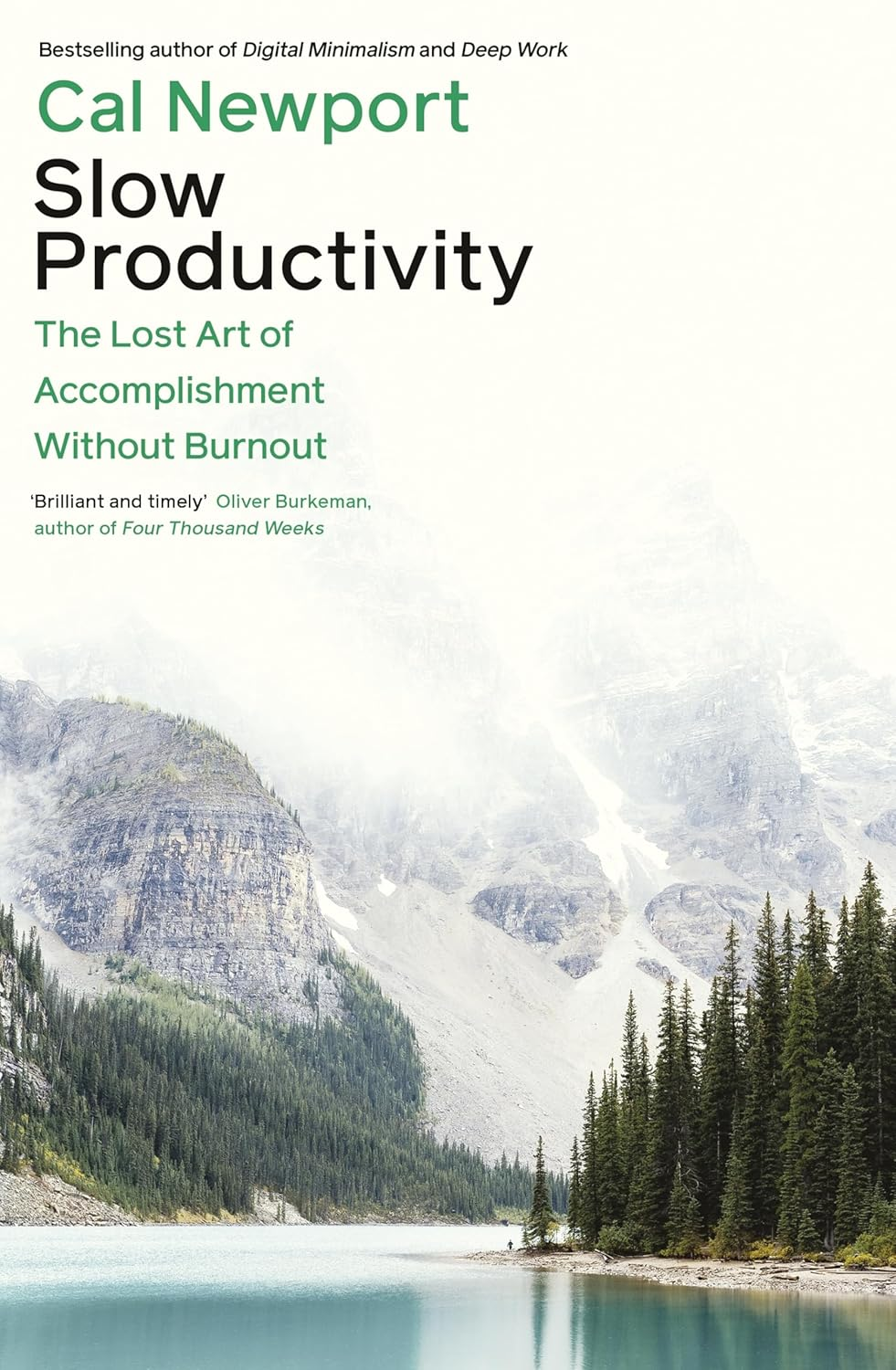
Newport, known for Deep Work, turns his attention to the "Pseudo-Productivity" of modern office life. He argues that the "Hustle" is often just a performance of busyness that prevents actual high-quality output.
From a research perspective, we find this book invaluable for its focus on "Sustainable Volition." It suggests three principles: Do fewer things, work at a natural pace, and obsess over quality. For a leader, this is the roadmap to moving from "Firefighting" to "Legacy Building."
Who it is for: Knowledge workers and executives who feel overwhelmed by the "velocity" of their inboxes and calendars.
Key Concept: "The goal is not to be busy; the goal is to be effective."
3. Burnout: The Secret to Unlocking the Stress Cycle — Emily & Amelia Nagoski
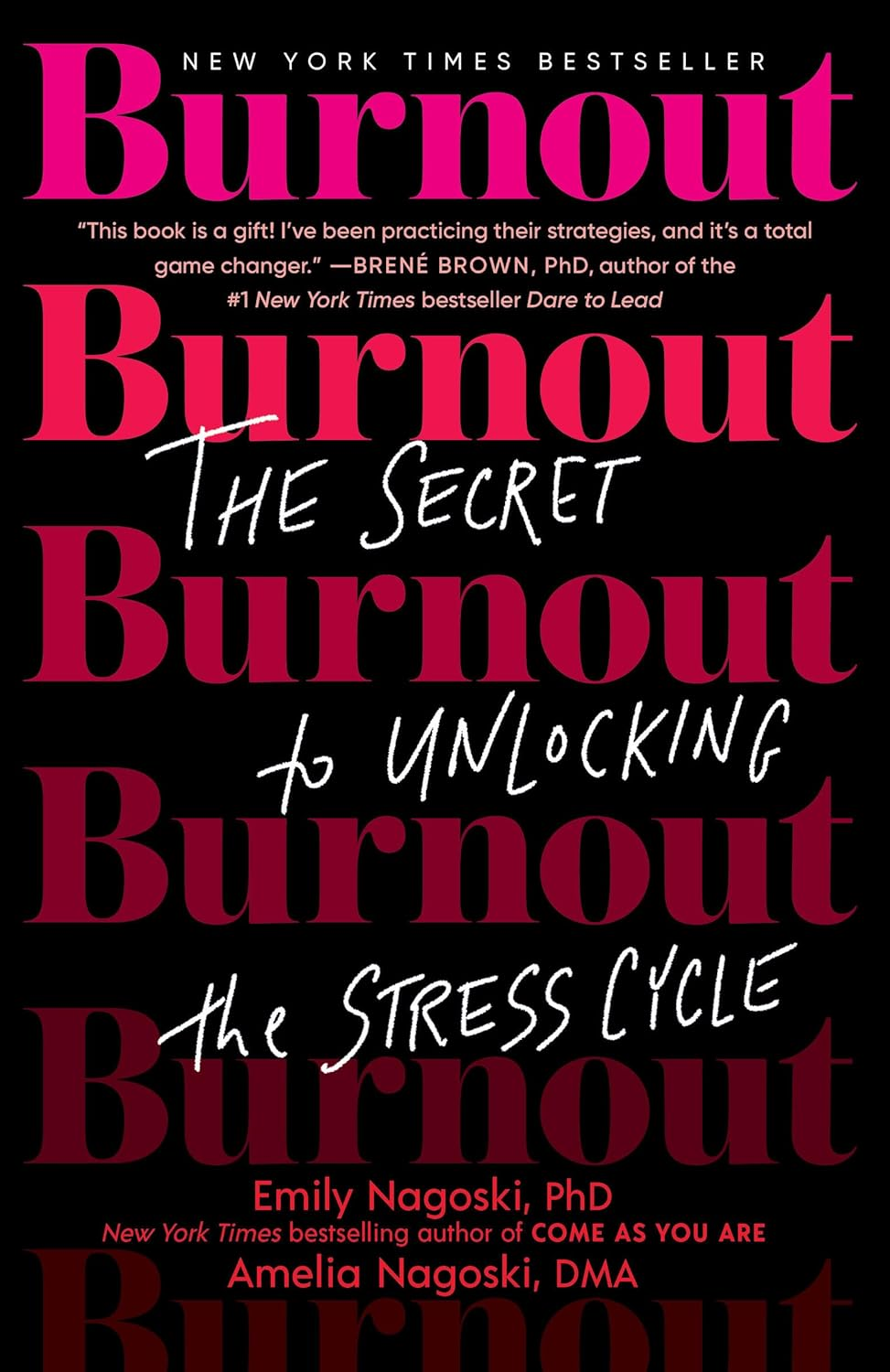
Hustle culture fails because it ignores the Stress Cycle. The Nagoskis explain that you can be "productive" all day, but if you don't physically complete the stress responses your body has triggered, you are moving toward a biological collapse.
At the Library, we use this book to show that "Pushing Through" is a physiological lie. When you ignore your body's signals to rest, you are essentially "over-leveraging" your future health for a current deadline. This book provides the "Body-Up" evidence for why the hustle is unsustainable.
Who it is for: High-achievers who are technically successful but physically and emotionally depleted.
The Somatic Bridge: Identifies physical "Complete-the-Cycle" activities as the only true cure for burnout.
4. Essentialism: The Disciplined Pursuit of Less — Greg McKeown
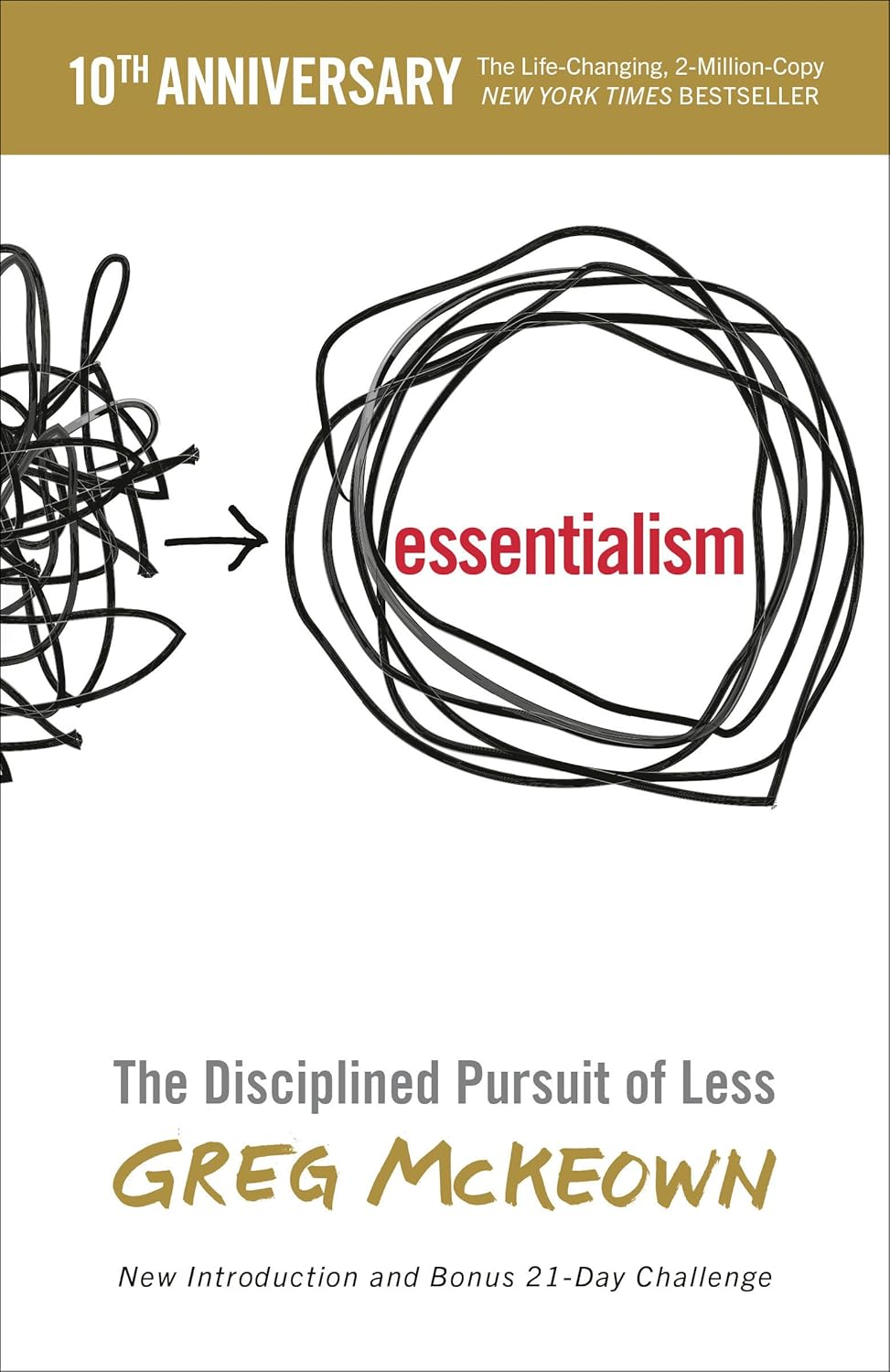
Essentialism is the antidote to the "Hustle Culture" trap of trying to do it all. McKeown argues that if you don't prioritize your life, someone else will.
We often see leaders who have "Broad but Shallow" impact because they are spread across too many initiatives. This book teaches the "Disciplined Pursuit of Less," allowing you to channel your energy into the one or two areas where you can make the highest possible contribution. It is about "Sovereign Selection" over "Reactive Hustle."
Who it is for: The leader who feels "busy but not productive" and struggles to set firm boundaries.
Identity Trigger: "I am not a resource to be used; I am a leader who chooses."
5. The Myth of Normal — Gabor Maté
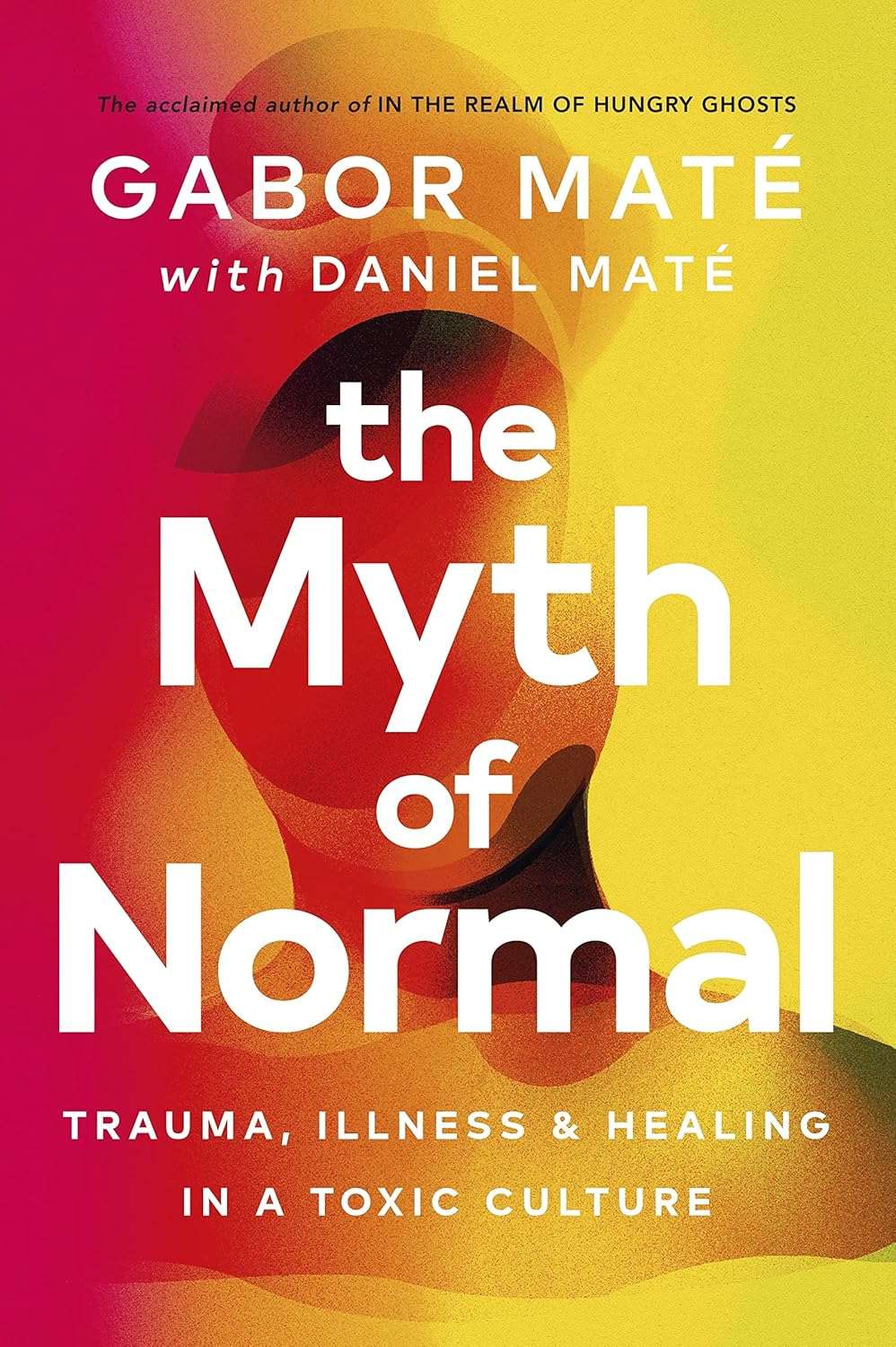
Maté argues that our current "Hustle-Driven" society is biologically toxic. He explores how the pressure to perform and conform leads to chronic stress, which manifests as physical illness and mental "dis-ease."
This book is a powerful mirror for the leader who has sacrificed their health for their "Hustle." It asks the hard question: Is your success worth the cost of your authenticity and your body? Shadow work—looking at why you feel the need to hustle so hard—is the only way to find a sustainable path forward.
Who it is for: Readers who want to understand the deep, systemic, and biological costs of "fitting into" a high-pressure culture.
The Somatic Gap: It proves that your "Hustle" is literally changing your cellular health.
6. Laziness Does Not Exist — Devon Price
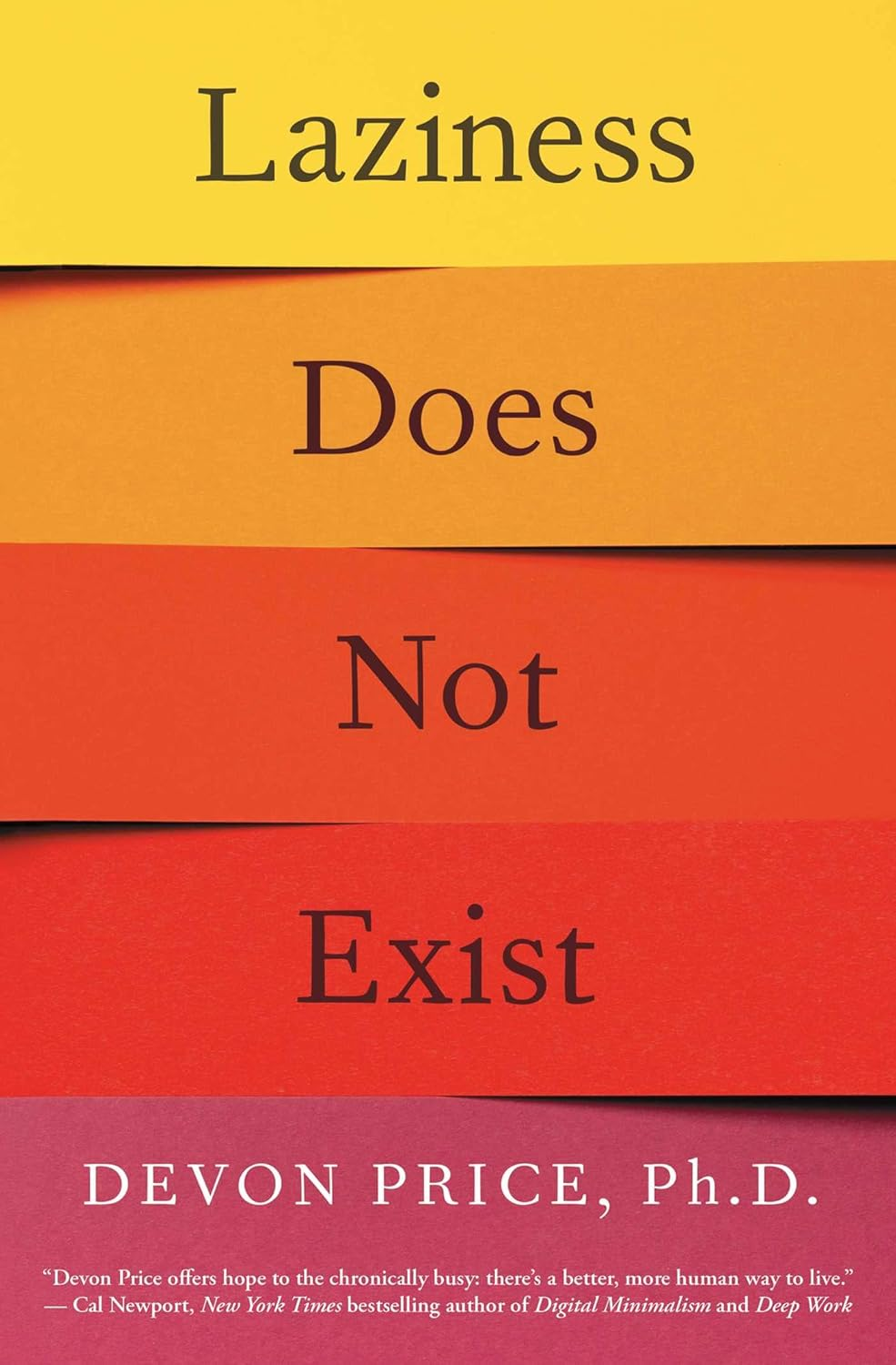
Dr. Price dismantles the "Laziness Lie"—the belief that your worth is earned through labor and that "more" is always better. He argues that what we call laziness is actually a biological signal that we are at our limit.
We find this book essential for "Identity Expansion." If you stop believing that you are "lazy" for needing a break, your self-trust skyrockets. You stop fighting your body and start working with it. It is a liberating read for anyone who has been shamed into the hustle.
Who it is for: Perfectionists and over-workers who struggle with "Imposter Syndrome" and a harsh internal critic.
Transformation: Reframe "Laziness" as "Biological Boundaries."
7. Do Nothing: How to Break Away from Overworking, Overdoing, and Underliving — Celeste Headlee
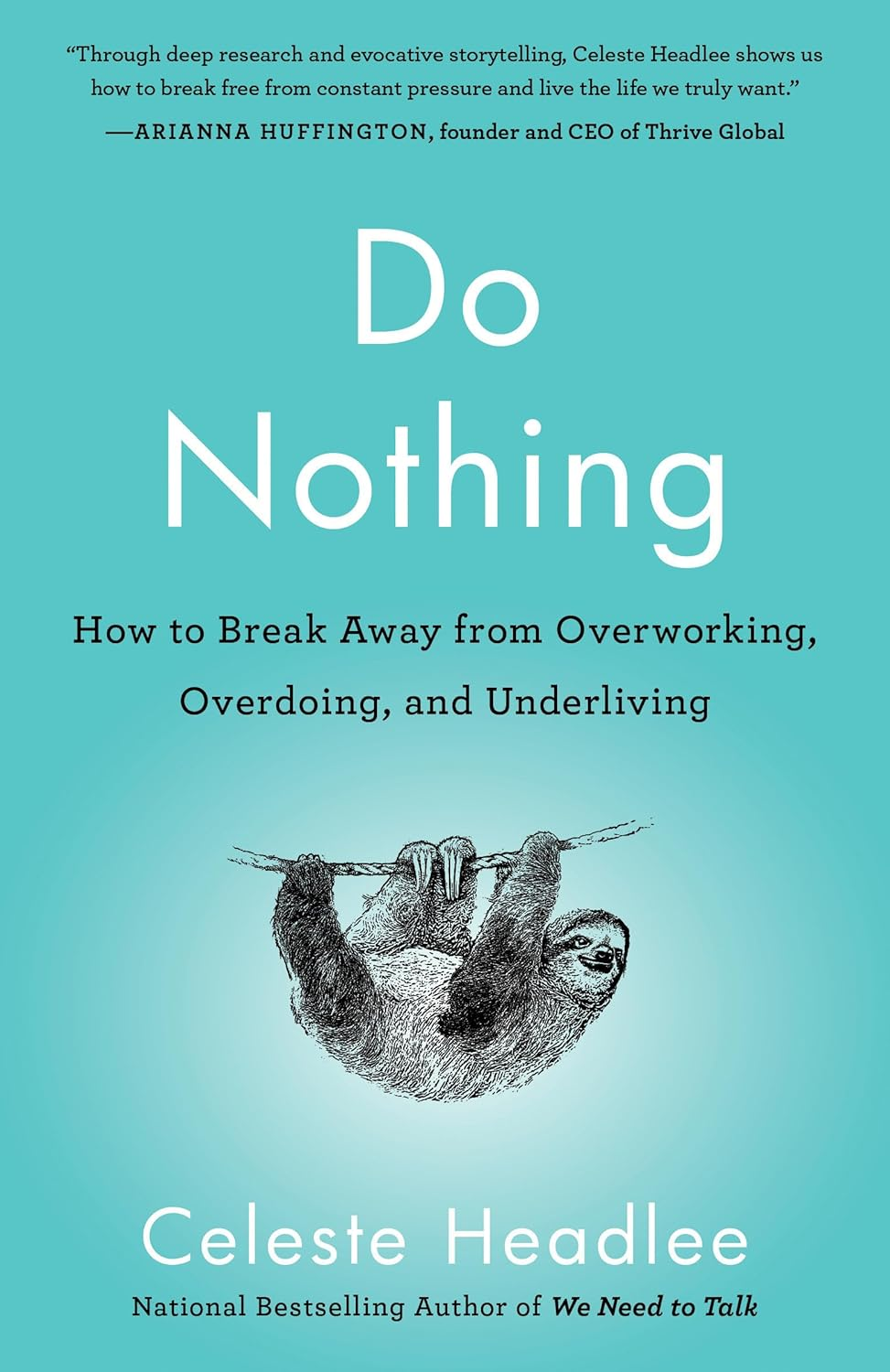
Headlee traces the history of how we became obsessed with efficiency, showing that our ancestors actually worked much less and enjoyed much more leisure than we do today.
We recommend this for its focus on "Deep Leisure." In a hustle culture, even our "hobbies" are turned into side-hustles or "optimized" for health. Headlee teaches you how to reclaim time that has no "purpose" other than joy. This is where the nervous system truly finds the "Ventral" safety required for long-term resilience.
Who it is for: Leaders who have forgotten how to have fun or who feel "anxious" when they aren't being productive.
The Somatic Bridge: Emphasizes the need for "Unstructured Time" for brain plasticity and emotional health.
The Stacking Effect: Architecture of the Slow Leader
To dismantle your internal "Hustle Architecture," we suggest this curriculum:
Change the Mindset: Start with Rest Is Resistance to decouple your worth from your work.
Audit the Schedule: Use Slow Productivity or Essentialism to strip away the non-essential "grind."
Heal the Body: Apply the principles of Burnout to ensure your nervous system is actually recovering daily.
Where to Start
If you are currently on the verge of a "Breakdown or Breakout," start with Rest Is Resistance. It is the most powerful "permission slip" you will ever read, and it will give you the psychological safety to finally put down the hustle and pick up your life.