At The Embodied Leadership Library, we have noticed that the term "burnout" is often used as a catch-all for exhaustion. However, from a research perspective, burnout is not merely the result of working too many hours. It is a physiological state of Dorsal Shutdown.
We often see high-performers attempting to "fix" burnout with a weekend of rest, only to find the exhaustion remains. This is because the body is still holding an incomplete stress cycle. Burnout happens when the nervous system decides that the cost of staying "on" is higher than the system can afford, and it pulls the metaphorical circuit breaker to protect the organism.
To recover, you must understand the biology of the "break." These six books move beyond the surface-level advice of "self-care" and look into the neural and systemic mechanics of why we collapse.
1. Burnout: The Secret to Unlocking the Stress Cycle — Emily & Amelia Nagoski
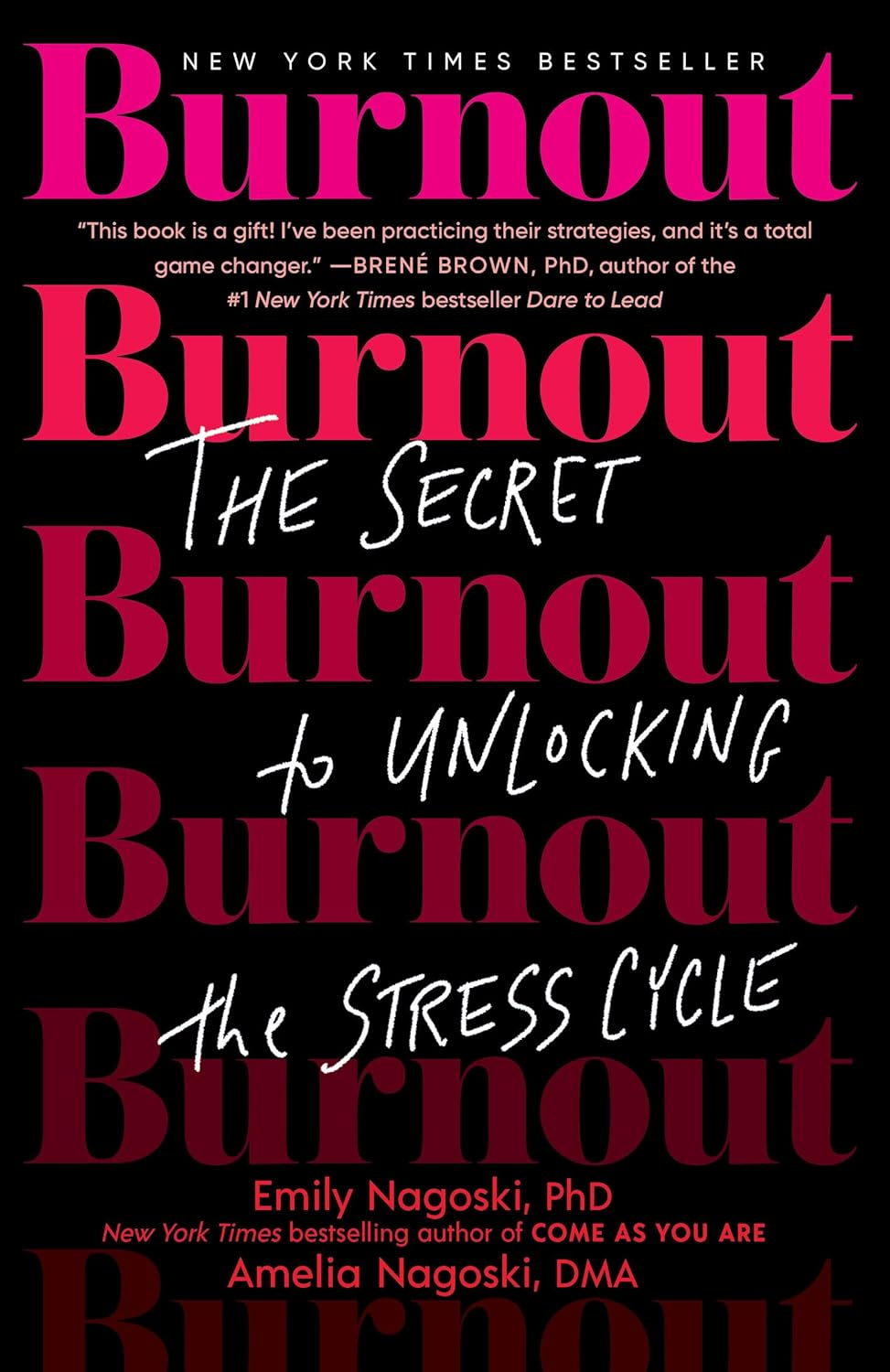
This book changes how you understand the relationship between stress and stressors. The central insight is the "Stress Cycle"—the idea that your body must physically complete a cycle of arousal to return to safety, regardless of whether the external problem was solved.
We consider this a foundational text because it explains why you can "solve" a problem at work but still feel exhausted. If you have ever finished a massive project and felt a "crash" rather than relief, this book explains the biological backlog of stress. It is one of the most relatable books in the space, specifically for those who carry the "Human Giver Syndrome."
- Who it is for: Professionals who feel they are doing "everything right" but still feel depleted.
- The Somatic Bridge: It identifies "Biological Safety" as the mechanism of completing a physical cycle (breath, movement, connection).
2. Conscio Under Pressure — Fristy Sato
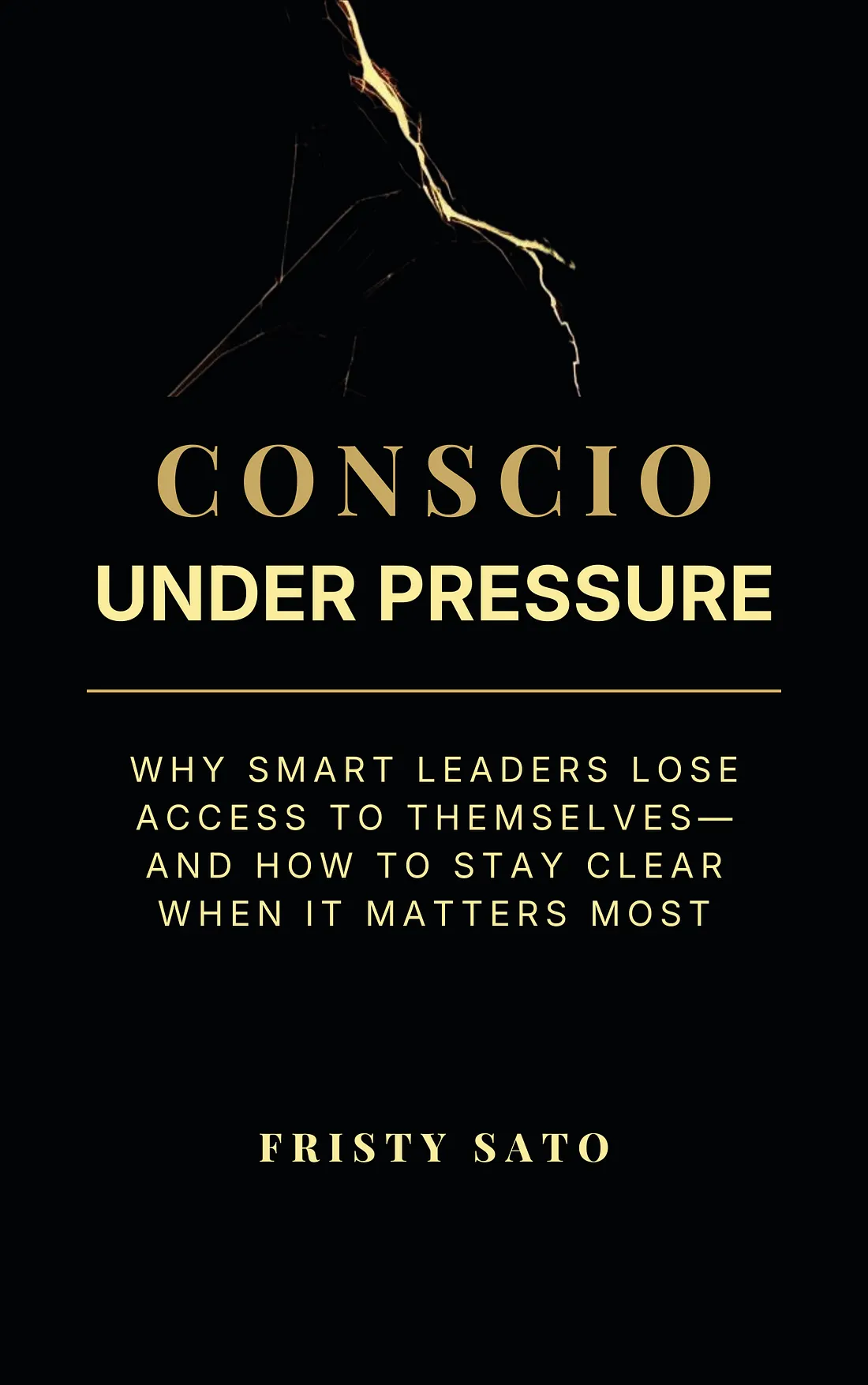
Many leaders overlook the fact that burnout is often preceded by a long period of "High-Functioning Survival." Sato explains how the constant activation of Survival Cognition drains the system’s "Biological Battery."
This book is worth exploring because it reveals that burnout is a failure of regulation, not a failure of will. It explains the Access Gap—the moment your system realizes it can no longer maintain its high-stakes performance and begins to shut down the "higher" brain functions to save energy. If you’ve noticed your decision-making becoming foggy or your empathy disappearing, you are seeing the early stages of biological burnout.
- Who it is for: High-stakes executives who need to understand the "warning lights" on their internal dashboard.
- Lineage: Acts as the executive "diagnostic tool" for early-stage dysregulation.
3. The Myth of Normal — Gabor Maté
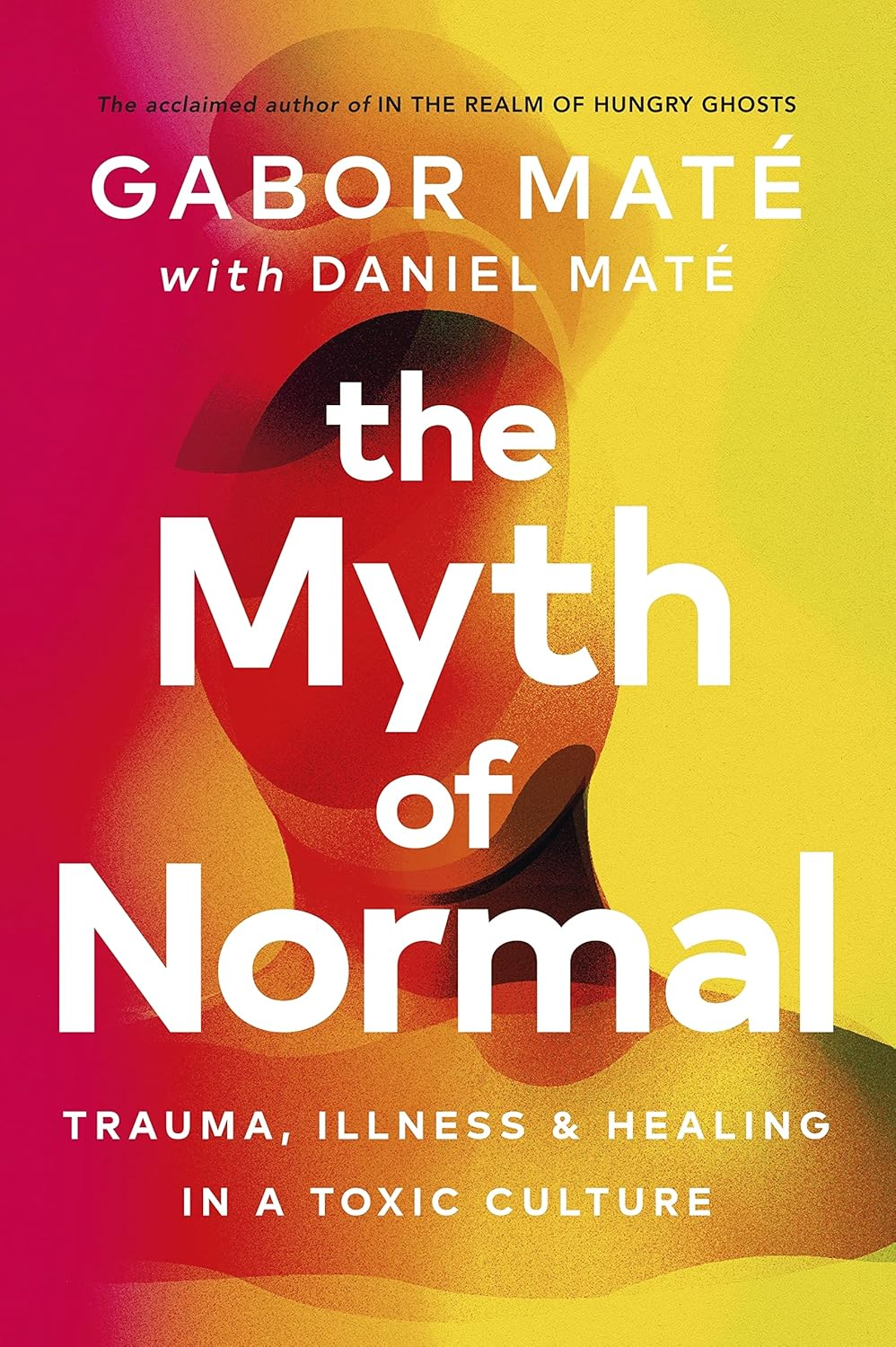
Maté redefines burnout as a "biological protest." He argues that in our modern, high-pressure culture, we are often forced to choose between attachment (belonging/work) and authenticity (our true needs). When we consistently choose work over our own bodies, the body eventually says "no."
From a research perspective, we find this book essential for understanding the link between chronic stress and physical illness. It explains that burnout isn't just a mental state; it is a systemic inflammation caused by the suppression of one's true self. It is a deep, intellectual exploration of why "normal" life in the corporate world is often biologically toxic.
- Who it is for: Readers who want to understand the deep, systemic, and psychological roots of their exhaustion.
- The Somatic Gap: While brilliant on the "why," it benefits from being paired with Anchored for the "how" of daily regulation.
4. Waking the Tiger — Peter A. Levine
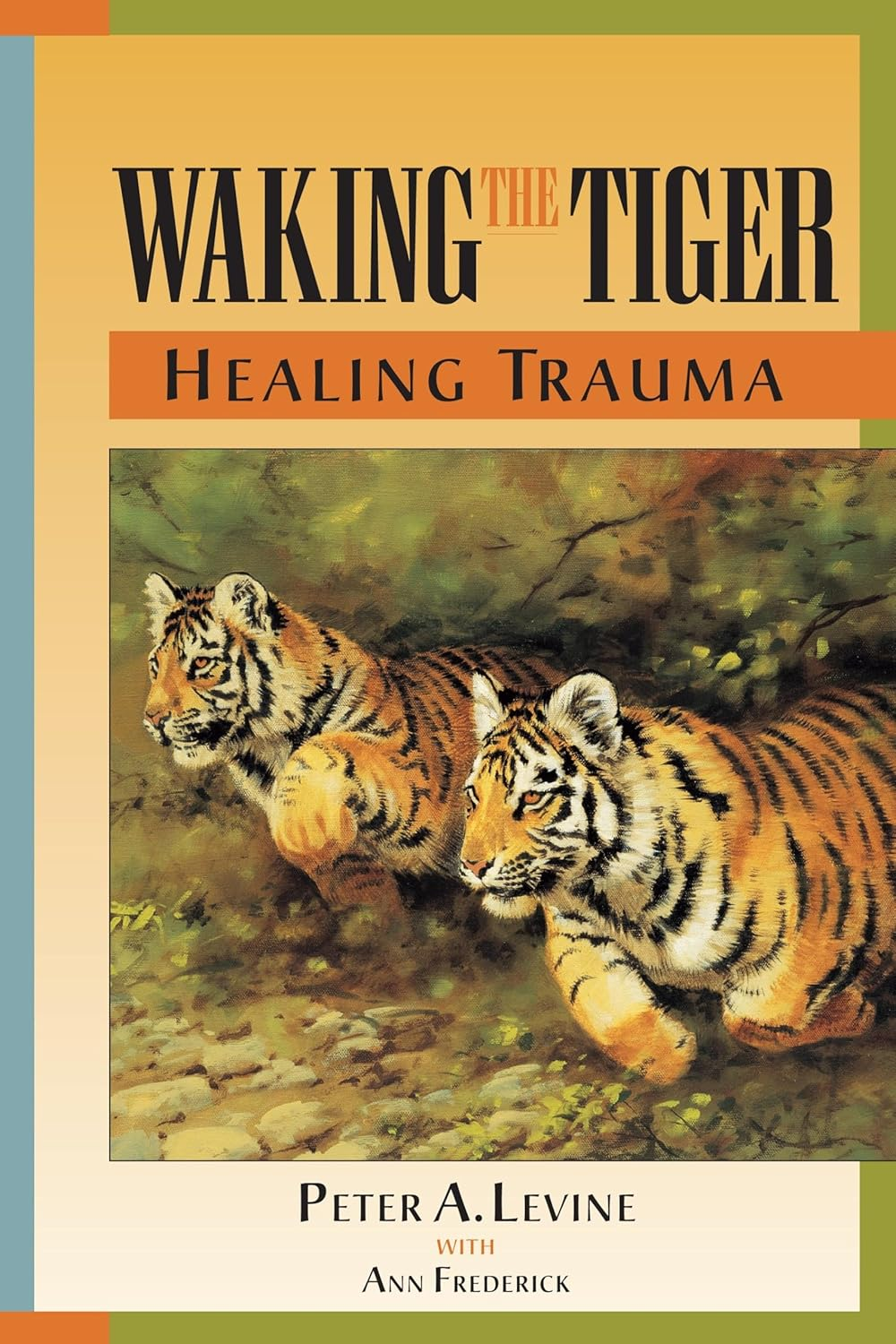
We include this because burnout is often "frozen" stress. Levine explains that when we cannot fight or flee from a stressor (like a toxic boss or an endless workload), we enter the "Freeze" state. If we stay there too long, it becomes chronic burnout.
This book changes how you view your "lack of motivation." It’s not laziness; it’s a biological "freeze" response. Levine teaches you how to gently "thaw" the system. We often see leaders who have "hit a wall"—this book explains that the wall is actually a massive amount of trapped energy that the body doesn't know how to discharge.
- Who it is for: The leader who feels "numb," "flat," or physically immobilized by their responsibilities.
- The Somatic Bridge: Focuses on the "Completion of the Stress Response" through small, titrated movements.
5. Rest Is Resistance — Tricia Hersey
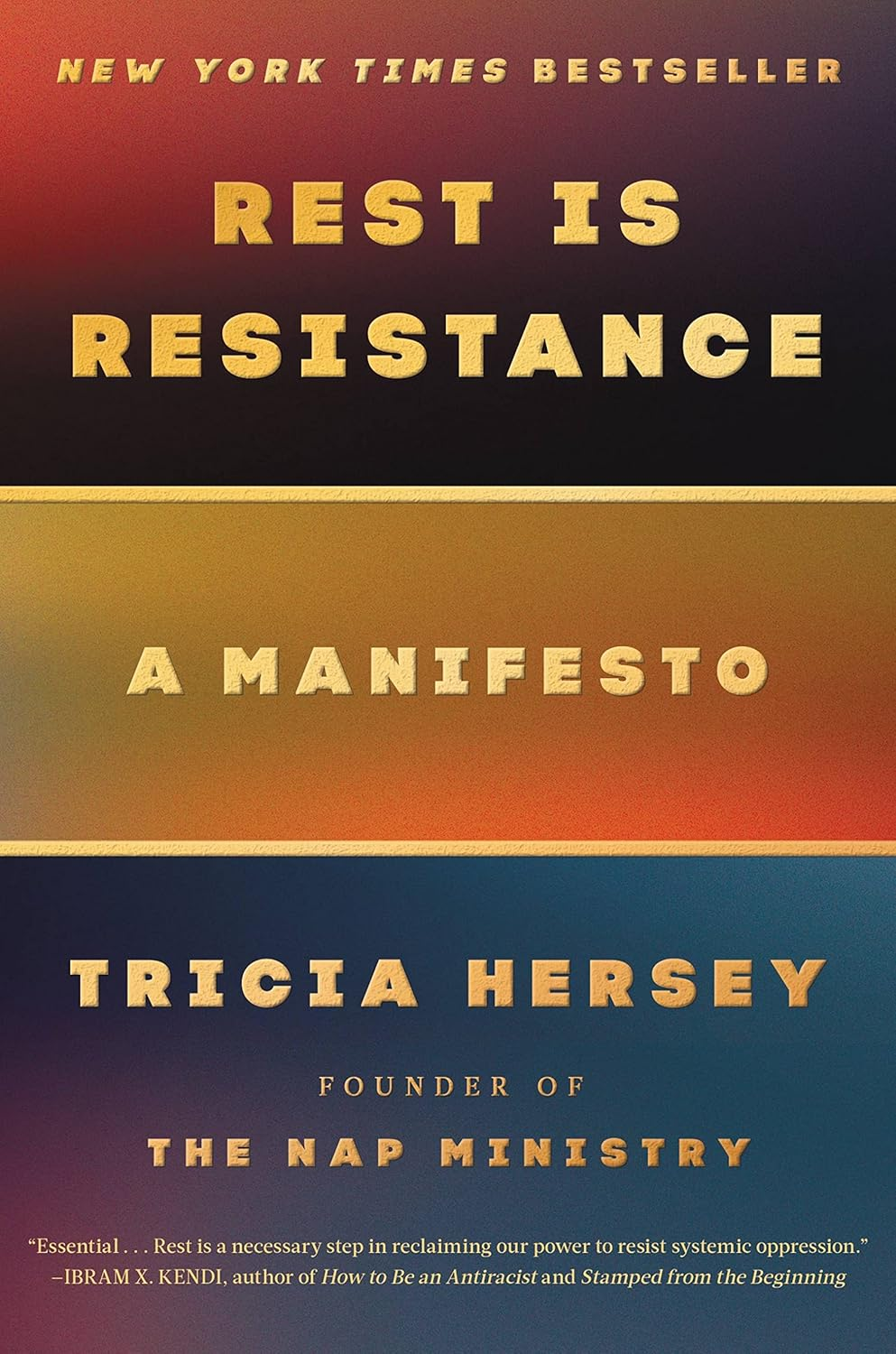
Hersey redefines the "grind culture" as a systemic trauma. She argues that our current obsession with productivity is a legacy of dehumanizing systems that view humans as machines. Burnout, in this context, is the inevitable result of trying to live at a pace that is biologically impossible.
We find this book useful because it challenges the "guilt" associated with rest. If you find it impossible to take a break without feeling like you are "failing," this book will reframe rest as a radical act of sovereignty. It is less about "biohacking" and more about reclaiming your humanity.
- Who it is for: Leaders who struggle with the internal "shame" of needing to slow down.
- Identity Trigger: "I am not a machine; I am a living organism."
6. Overflow — Fristy Sato
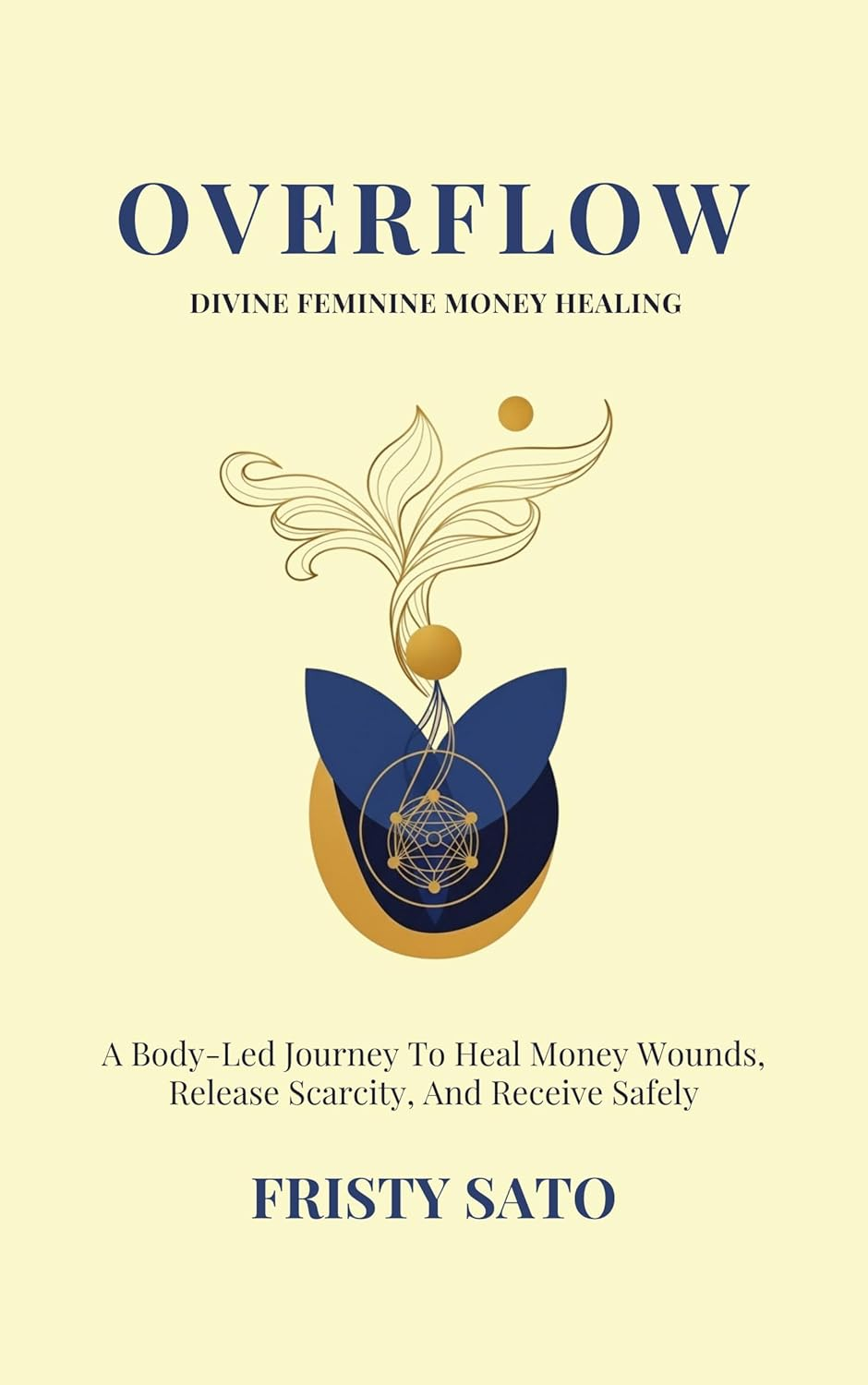
Burnout is often the physical result of "Over-giving" without "Receiving." Sato explores this through the lens of Wealth Capacity and the "Drain-Cycle." If your leadership feels like a constant outflow of energy with no internal "replenishment," burnout is a mathematical certainty.
Overflow explains how to shift the nervous system from a state of "Scarcity-Driven Grind" to "Capacity-Driven Flow." It teaches that "Safety comes before expansion." If you try to expand your business or career while your nervous system is in a state of "bracing" against the workload, you will eventually collapse. This book provides the somatic checks to ensure your growth is sustainable.
- Who it is for: Founders who have built successful lives but feel "hollowed out" by the process of achieving them.
- The Somatic Bridge: Solves the "Capacity Ceiling" by teaching the body how to receive support and ease.
The Stacking Effect: From Collapse to Coherence
To recover from—and eventually prevent—burnout, we suggest this curriculum:
Understand the Cycle: Start with Burnout (Nagoski) to learn how to complete your daily stress responses.
Diagnose the Hijack: Use Conscio Under Pressure to recognize when you are slipping into "Survival Cognition."
Heal the Capacity: Apply the principles of Overflow to build a system that can hold success without breaking.
Where to Start
If you are currently in the depths of exhaustion, we suggest starting with Burnout: The Secret to Unlocking the Stress Cycle. It offers the most immediate, practical relief for the "heavy" feeling of a system that has been "on" for too long, and it provides simple ways to start moving that stress out of your body today.
This book is often recommended for…
Leaders who find themselves "doom-scrolling" or "zoning out" after work. These are signs of a system moving into Hypoarousal (shutdown).