At The Embodied Leadership Library, we define "The Shadow" not as something dark or evil, but as the collection of all the parts of yourself you had to repress, deny, or hide in order to succeed.
For the high-level leader, shadow work is the ultimate competitive advantage. We often see the "Identity-Driven Architect" hit a ceiling not because they lack strategy, but because their unexamined shadow—their need for control, their fear of insignificance, or their addiction to being the "hero"—is silently sabotaging their culture.
When you do not own your shadow, it owns your leadership. It shows up as "Irreversible Trust Erosion" or reactive decision-making. These seven books provide the intellectual and psychological mirror needed to look into the "unseen" parts of your leadership and integrate them into a powerful, coherent whole.
1. The Untethered Soul — Michael A. Singer

This book is the essential starting point for shadow work because it teaches you how to become the "Observer" of your own mind. Singer explains that most of our reactive leadership comes from "Samskaras"—stored past energies and traumas that we are constantly trying to protect or hide.
We consider this foundational because shadow work requires you to stop identifying with your thoughts. If you are your anger or your need for approval, you cannot change it. When you learn to "lean back" and observe the part of you that feels threatened during a negotiation, you are beginning the process of shadow integration.
Who it is for: Leaders who feel "trapped" by their internal monologue and want to find a seat of objective authority.
The Somatic Bridge: It identifies the "Cinch" in the heart or gut—the physical bracing that signals the shadow is being triggered.
2. The Power of Now — Eckhart Tolle

Tolle’s work focuses on the "Pain-Body"—the accumulated emotional pain that lives in our shadow and feeds on drama and conflict. For a leader, an unexamined pain-body can manifest as a subconscious desire to create "crisis" just to feel the familiar rush of survival energy.
We have noticed that many leaders are addicted to the "Sympathetic" high of a high-pressure environment. The Power of Now teaches you how to recognize when your ego is using the present moment as a means to an end. It is a rigorous guide to dismantling the "Leader Ego" that believes its value is tied only to future results.
Who it is for: Executives who struggle with chronic anxiety about the future and feel disconnected from their current impact.
Transformation: It moves you from "Ego-Driven Performance" to "Presence-Based Authority."
3. The Myth of Normal — Gabor Maté
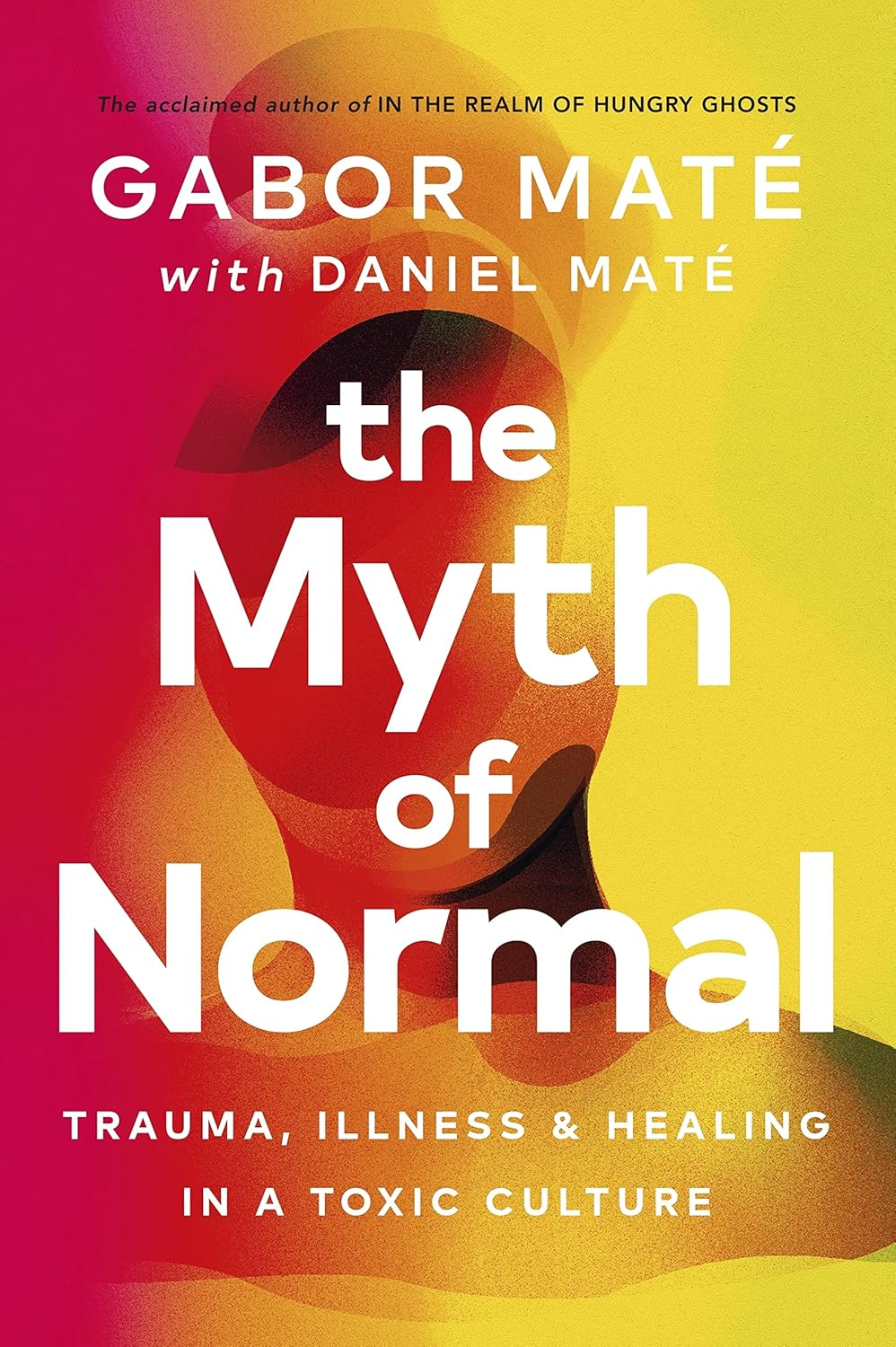
Maté argues that much of what we call "personality" in leadership is actually a collection of trauma responses. Our shadow often contains our "Authenticity"—the parts of ourselves we traded away for "Attachment" (success, belonging, or parental approval).
From a research perspective, we find this book vital for identifying the "Performance Mask." It explains how the pressure to be a "Normal" successful leader often requires us to suppress our physical and emotional needs, leading to burnout and disease. Shadow work, in this context, is the act of reclaiming your health by reclaiming your truth.
Who it is for: Readers who want to understand the systemic and biological costs of suppressing their true selves in corporate environments.
The Somatic Gap: It proves that the shadow isn't just psychological; it's biological.
4. How to Do the Work — Dr. Nicole LePera
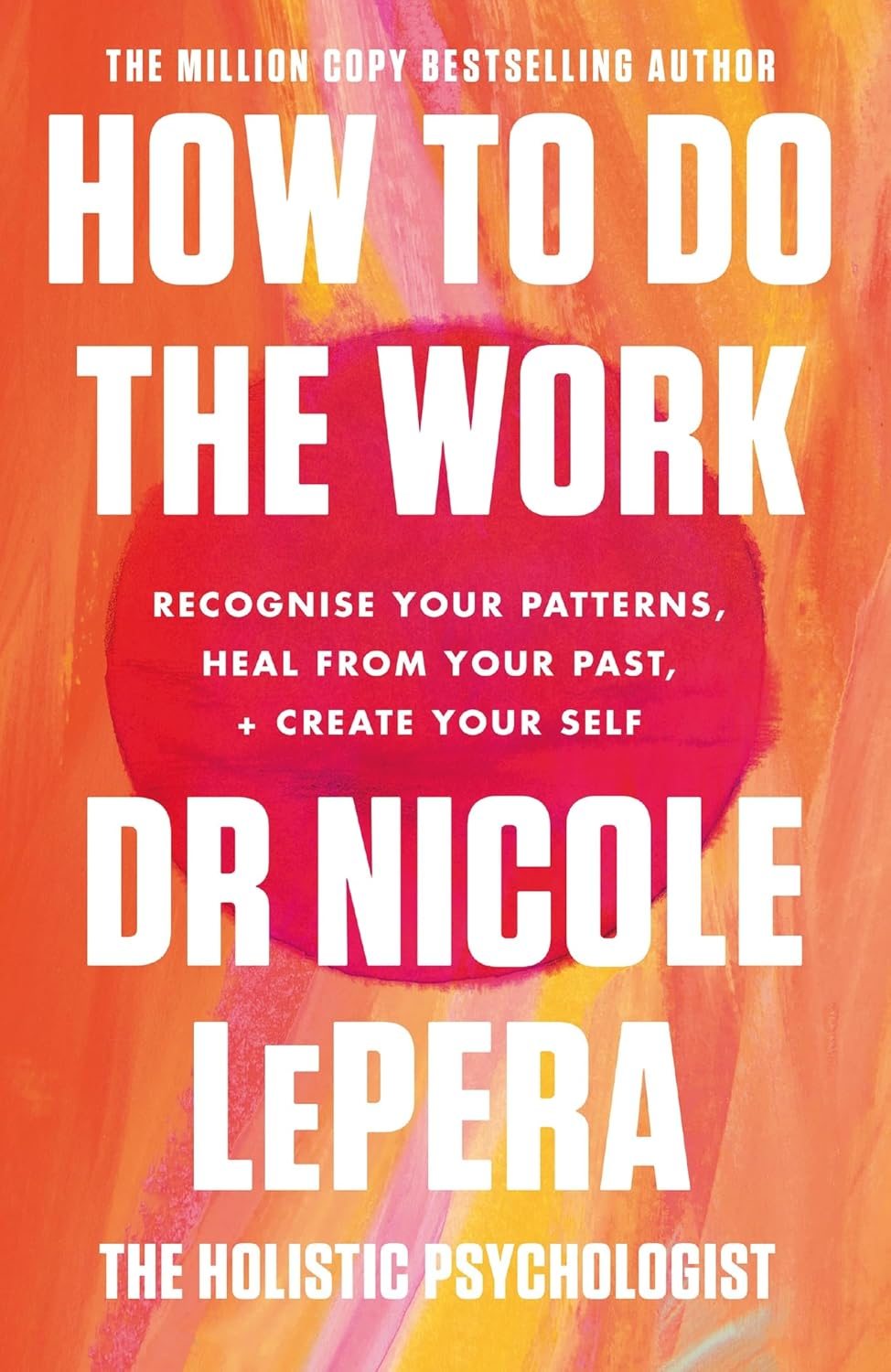
Dr. LePera bridges the gap between traditional psychology and somatic healing. She identifies the "Core Beliefs" that sit in our shadow and dictate our "Self-Sabotaging" habits.
We often recommend this to leaders who find themselves repeating the same team conflicts or hiring the same problematic archetypes. These are "externalizations" of your shadow. By using the "Self-Healing" tools in this book—including breathwork and boundary setting—you begin to consciously rewire the subconscious patterns that are currently running your business.
Who it is for: The practical leader who wants a "User Manual" for their subconscious mind and behavioral patterns.
The Somatic Bridge: Emphasizes that you cannot heal the mind without first regulating the nervous system.
5. Mindset: The New Psychology of Success — Carol S. Dweck
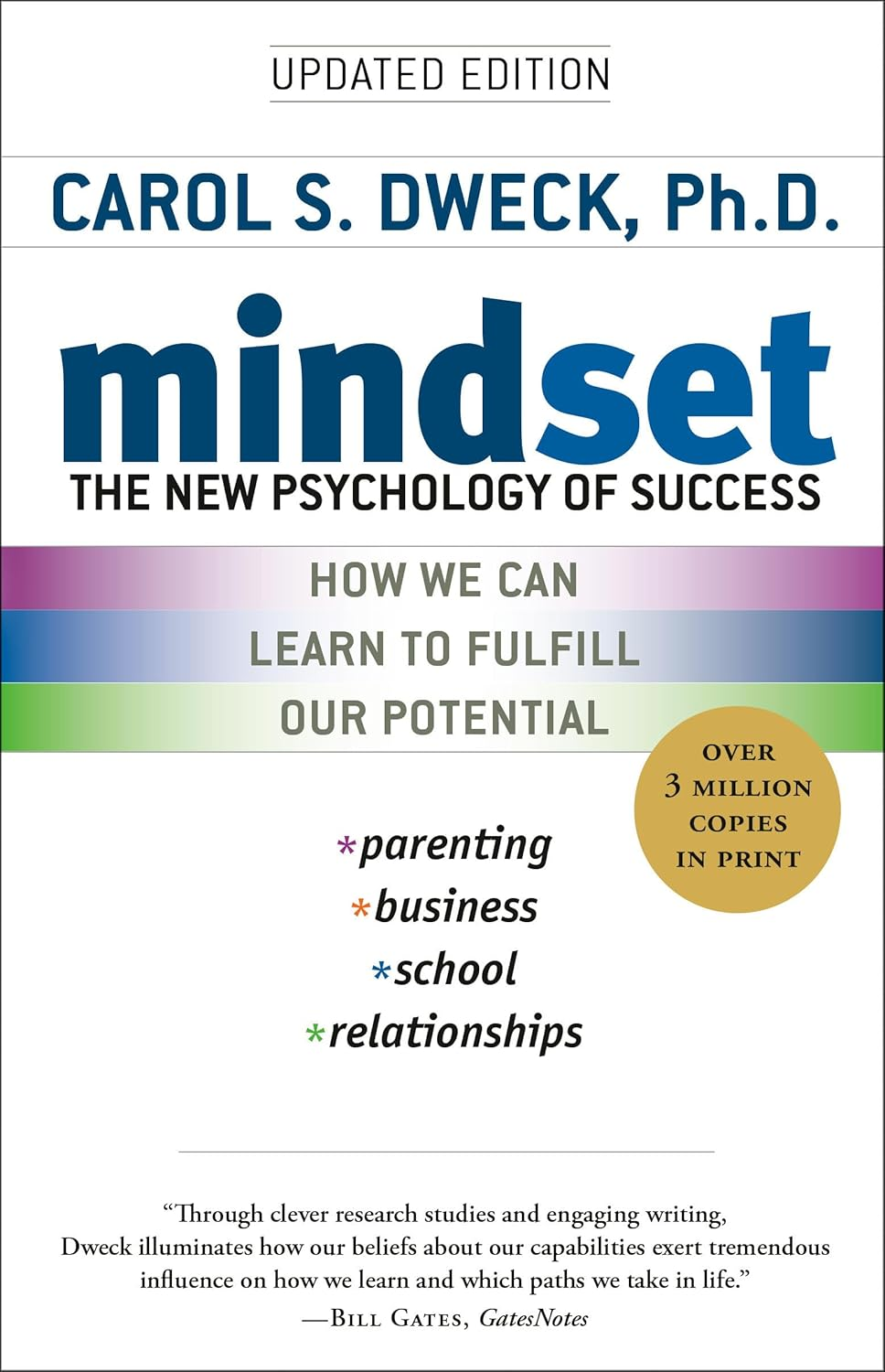
While often categorized as a business book, Mindset is a profound look at the "Fixed Mindset" shadow. This is the part of the leader that is terrified of being "found out" as inadequate.
A leader in a "Fixed Mindset" shadow will avoid challenges, ignore feedback, and feel threatened by the success of others. Dweck’s work helps you identify the "Voice" of your fixed mindset so you can transition into a "Growth" state. Integrating this shadow allows you to move from "Defensive Leadership" to "Learning Leadership."
Who it is for: Anyone who feels a secret sting of shame when they make a mistake or face a setback.
Identity Trigger: "I am ready to value my growth more than my image."
6. Owning Your Own Shadow — Robert A. Johnson
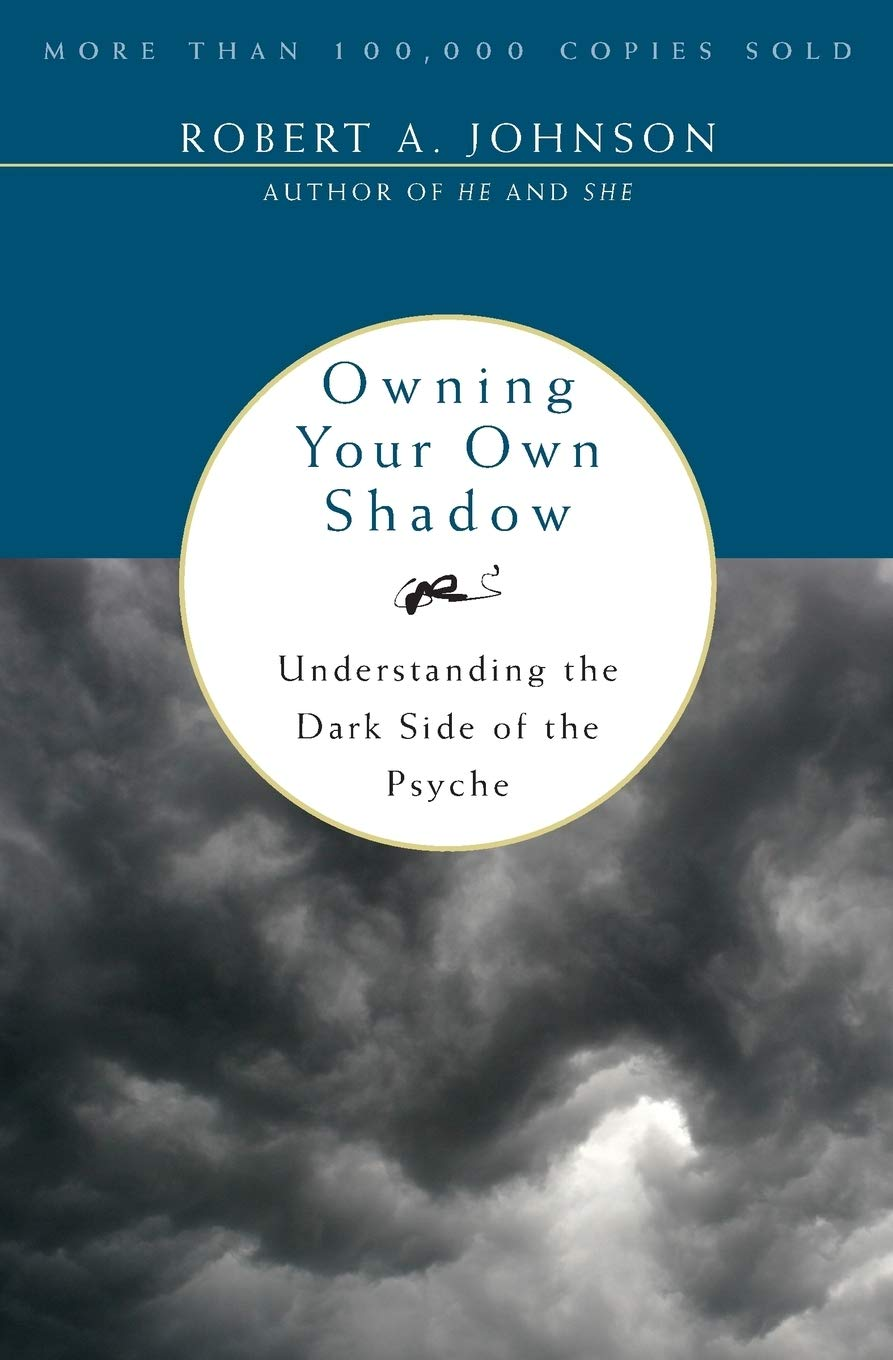
This is the most direct text on the Jungian concept of the shadow. Johnson explains that the shadow also contains our "Gold"—our untapped creativity, power, and brilliance that we were told was "too much" when we were younger.
At the Library, we find that leaders often have a "Gold Shadow." They are afraid of their own true power, so they play "small" or stay stuck in middle-management behaviors. This book teaches you how to "Honor the Shadow" through ritual and awareness, allowing you to bring your full capacity into your leadership.
Who it is for: Leaders who feel they are only using a fraction of their true potential and sense there is "more" beneath the surface.
Lineage: A classic introduction to Jungian psychology for the modern layperson.
7. The 15 Commitments of Conscious Leadership — Jim Dethmer, Diana Chapman & Kaley Klemp
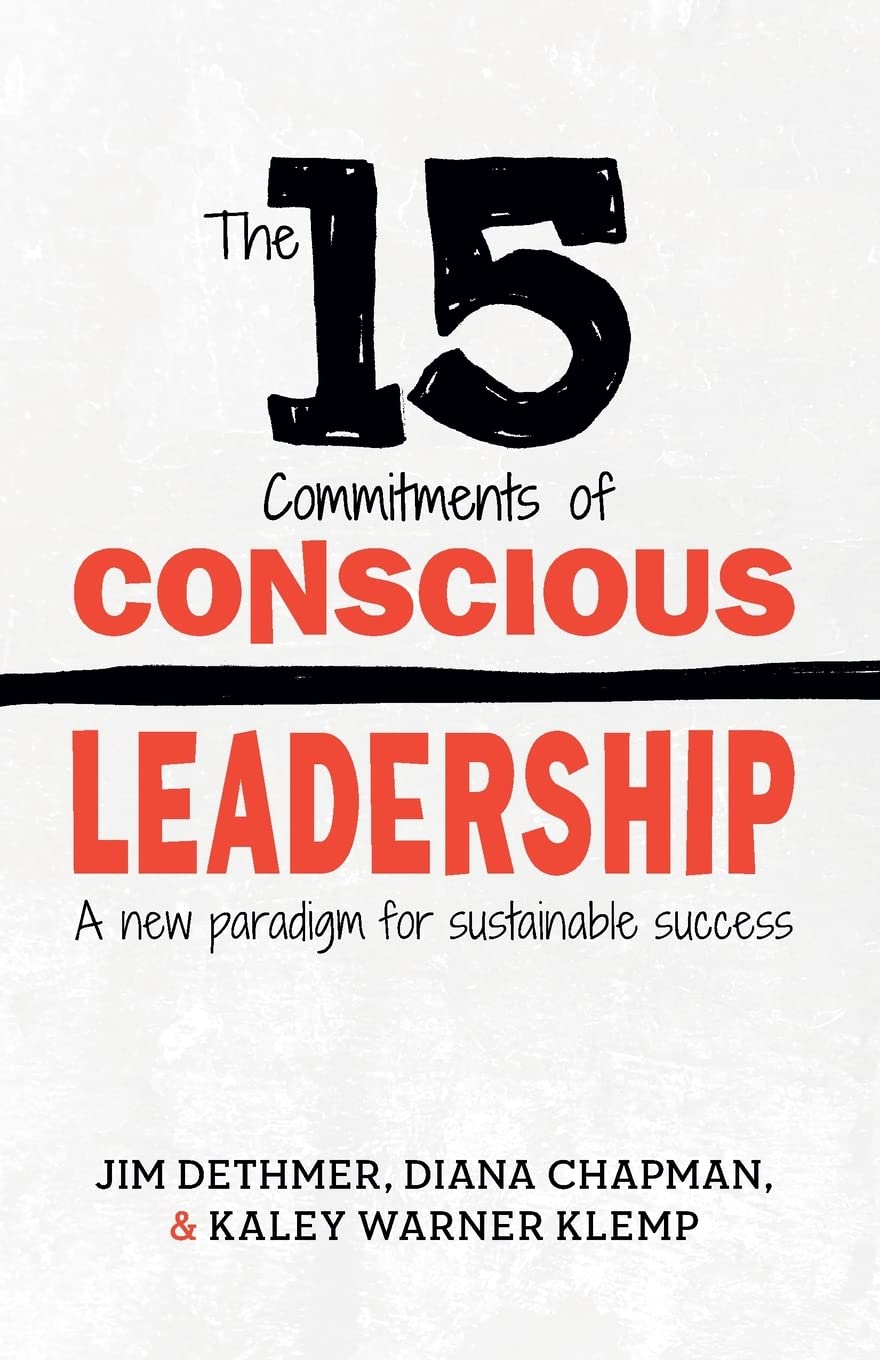
We include this because it provides a "Workplace Mirror" for shadow work. The authors ask the hard questions: "How am I the source of this problem?" and "What am I gaining by staying stuck?"
We often see leaders who complain about their "toxic team," but shadow work reveals that the team is merely reflecting the leader's unowned patterns. By committing to "Radical Responsibility," you stop projecting your shadow onto others and start leading from a place of integrity and wholeness.
Who it is for: Executive teams who want to build a high-trust culture based on radical honesty and self-awareness.
The Somatic Bridge: It uses the "Line" (Above/Below) as a somatic marker for whether you are in a state of threat or curiosity.
The Stacking Effect: Integrating the Unseen
To move from "Reactive" to "Whole" leadership, we suggest this curriculum:
Develop the Observer: Start with The Untethered Soul to create the mental space needed for shadow work.
Identify the Patterns: Use How to Do the Work to map your specific subconscious loops.
Take Responsibility: Apply the 15 Commitments of Conscious Leadership to see how those loops are manifesting in your organization today.
Where to Start
If you are currently feeling "hijacked" by your own reactions or find yourself stuck in recurring cycles of conflict, start with The Untethered Soul. It provides the most immediate relief by helping you realize that you are not your thoughts—and that you have the power to stay clear and present, regardless of what your shadow is doing.
View The Untethered Soul on Amazon
Readers exploring shadow work often find themselves at a turning point...
The moment you realize that your organization is a reflection of your internal landscape is the moment true leadership begins. We explore this further in our deep-dive on The Architecture of the Sovereign Leader. If you're ready to stop performing and start being, this analysis is for you.